Where we heard itCNBC’s Squawk Box, Property Play segment, Oct. 21, 2026. Reporter: Diana Olick, with comments from ICON. Watch at CNBC
Two of the world’s biggest money managers are putting fresh capital behind robots that print houses, and the company making those robots says demand is running well ahead of its plan. BlackRockBLK and Baillie Gifford co-led a new funding round for ICON, the Austin-based construction technology company. In a CNBC report by Diana Olick on Oct. 21, an ICON representative described how builders have responded: “We kind of have like ten x the demand in terms of like actual money down reservations that we actually forecasted needing for next year.”
Those reservations are deposits from paying customers. The open question for anyone following housing is whether a technology still early in its rollout can turn them into finished homes.
A $1.4 Billion Valuation Puts Wall Street Behind Robotic Builders
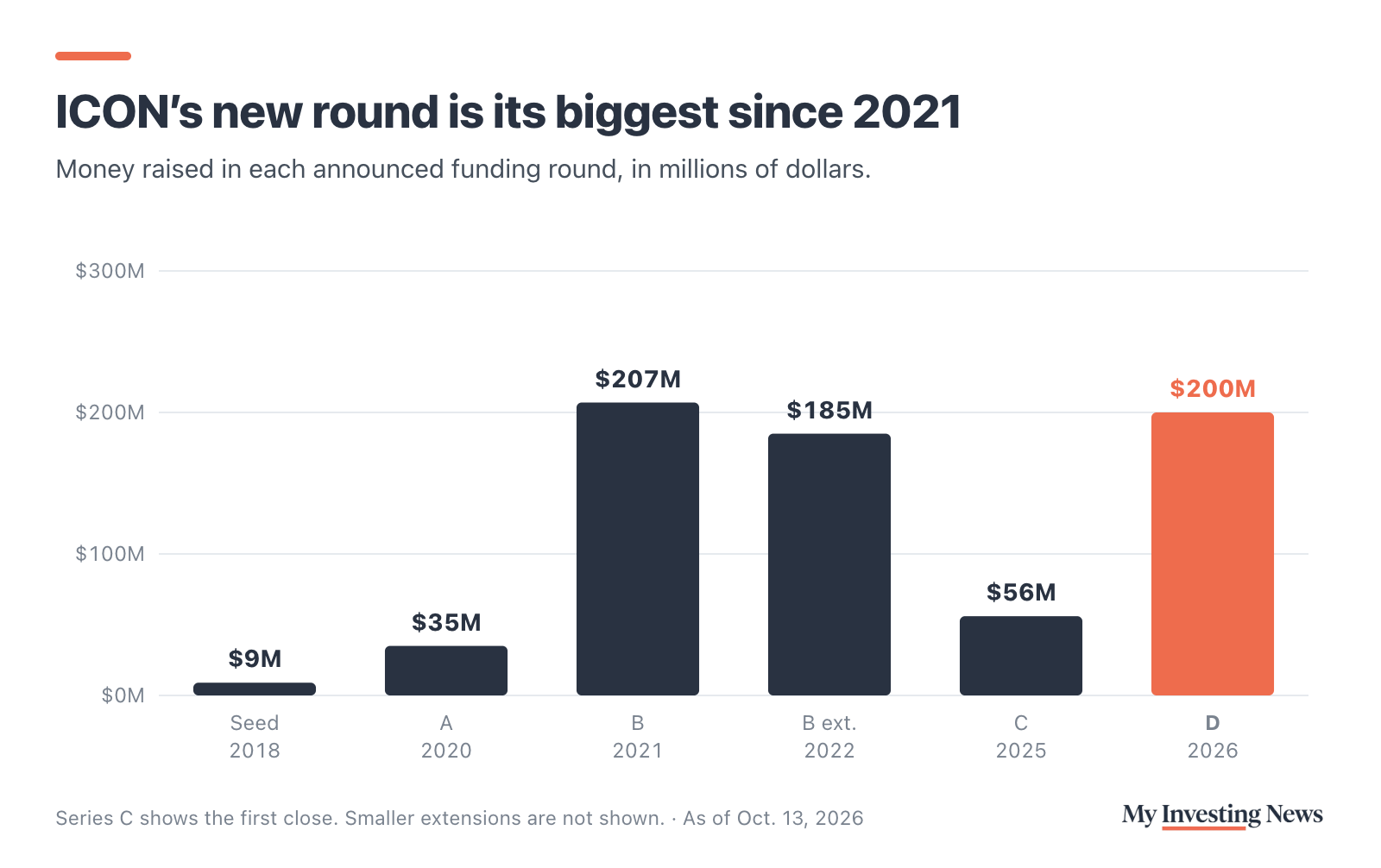
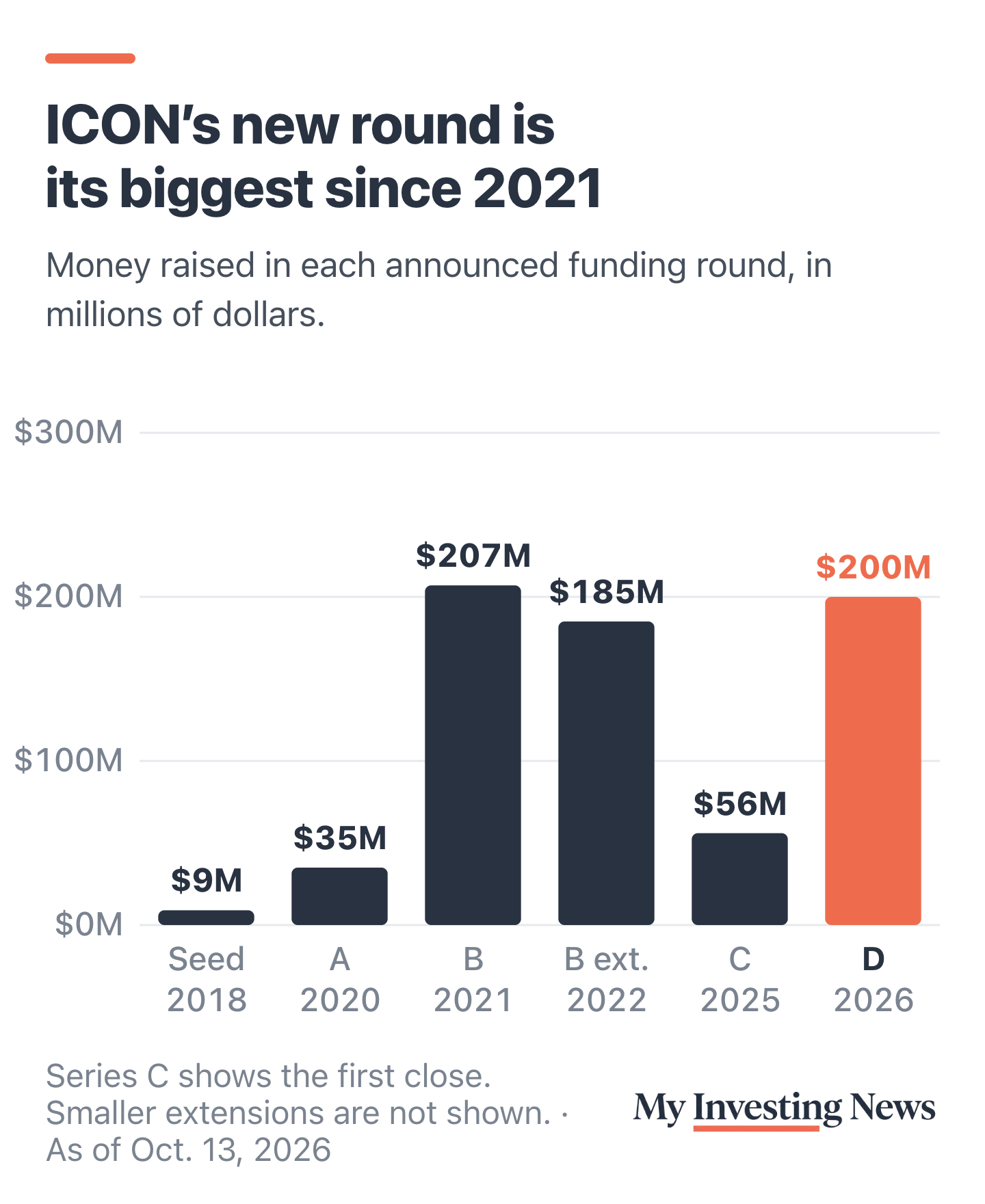
ICON announced the round on Oct. 13 in a press release called “ICON Raises $200M Series D to Transform How the World Builds.” CNBC reported the same day that BlackRock and Baillie Gifford were making a large commitment to ICON’s printed homes, and the business news site Pulse reported that the two firms co-led the round. Olick came back to the deal on Oct. 21: “ICON announced $200 million in Series D funding co-led by BlackRock and Baillie Gifford, among others. That brings its total funding to $700 million, with a valuation of $1.4 billion.”
A Series D is a startup’s fourth major round of venture funding. Companies usually raise one when they are moving from testing a product to scaling it. The valuation is the price investors put on the whole company in that deal. ICON is privately held, and its own announcements are posted on its official website. BlackRock is a much larger firm: it managed $15.5 trillion across all asset classes at the end of September, according to its third-quarter results.
How Titan Takes Weeks Off a Home Build
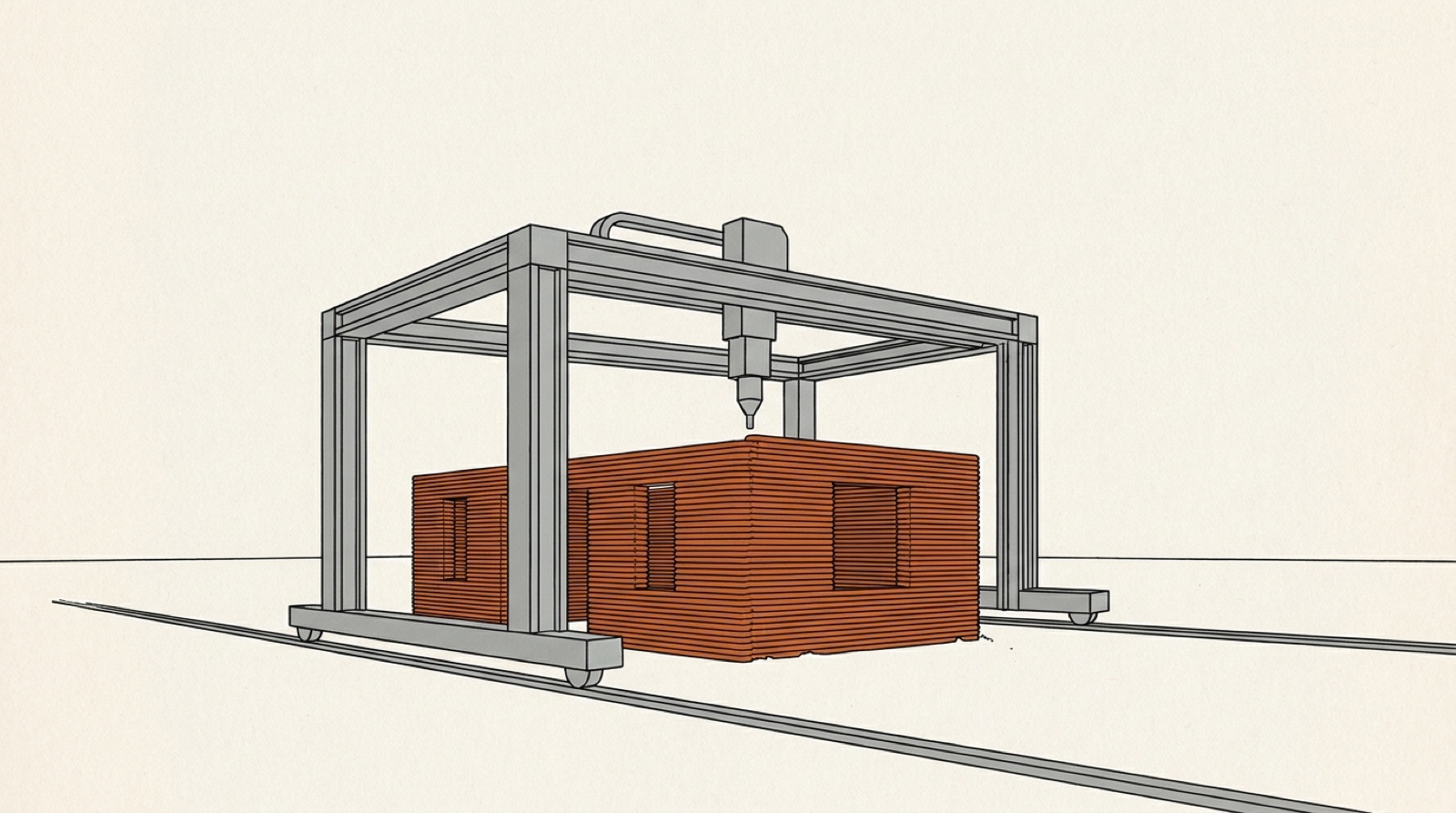
Three-dimensional printed construction uses a large robotic printer that lays down a cement-like material one layer at a time until the walls take shape. Olick reported that ICON’s Titan multistory robotic printing system went on sale commercially in March. She said it cuts the average time to build a home by six weeks and needs fewer workers, about three workers per house. According to her report, it also brings construction costs down by 40%. ICON’s March announcement describes that as a projected 40% cut in the cost of multistory walls, to roughly $20 per square foot. These figures are ICON’s claims about its own system. VoxelMatters reported that the new money will go toward building more Titan systems.
ICON Moves From Homebuilder to Equipment Supplier
The biggest change in the strategy is who ICON plans to serve. Per CNBC, the company is moving to sell Titan to other builders instead of only printing homes itself. That puts the reservation figure in context, because the deposits come from builders who want the machines. ICON is active in Texas, Florida and Washington, D.C., and The Real Deal reported that the company is expanding in Texas.
ICON’s new round at a glance
Selling equipment could let ICON grow without paying for land and running every project. It also makes ICON’s results depend on how well other builders use the machines.
Why Builders Want a Cheaper Way to Build Right Now
Olick described the background: “ICON is moving ahead at a time when the traditional home building industry is under stress from higher interest rates and higher costs for land, labor and materials. There’s also a continuing housing shortage, though, with some estimating up to 4 million new homes still needed to meet current demand.”
Two days earlier, Olick reported that builder confidence hit a 14-year low as 43% of builders cut prices.
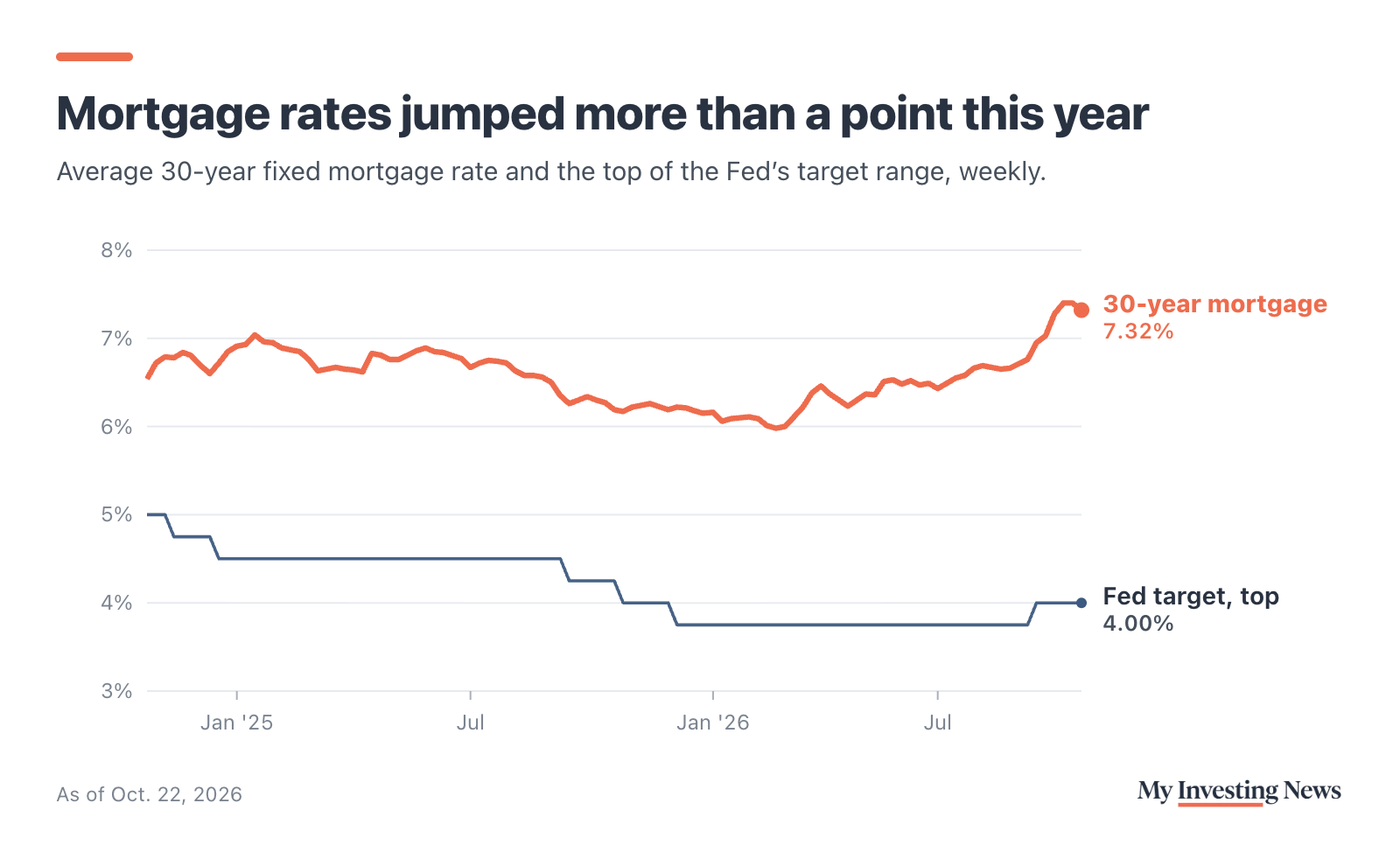
Borrowing costs are still a limit. The upper bound of the Federal Reserve’s target rate is 4.00%, down a quarter of a percentage point from a year ago. When financing remains expensive, builders have more reason to look for savings on construction time and labor. Earlier this month, mortgage rates followed the 10-year Treasury to a 52-week high.
What Printed Homes Could Mean for Buyers and Investors
If ICON’s numbers hold up at scale, builders could finish homes faster and with smaller crews, which could help with both affordability and the labor shortage. Several hurdles remain. Titan has been commercially available for only a few months. Local building codes and permitting rules differ from market to market. Buyers and lenders also have to accept a type of home most of them have never seen. ICON has yet to show that its cost advantage carries over to new regions.
For investors who follow homebuilders and building materials companies, the useful signals are whether outside builders actually adopt Titan, how many homes they print, and what those homes sell for compared with conventional construction.
Scale Is the Next Test for ICON’s Printed Homes
BlackRock and Baillie Gifford are backing robotic printing as one way to narrow the housing gap. ICON now has to deliver Titan systems to the builders who put down deposits and show that faster, cheaper construction works in markets well beyond Texas.
ICON says builders have put down deposits for about ten times the demand it forecast for next year, and two large investors just put $200 million behind it. The risk is execution: ICON’s speed and cost numbers are its own projections, and when it launched Titan in March it said first deliveries were expected in early 2027.