Where we heard itThis Week in Startups, episode 2354, “OpenAI’s $1.25T Raise, Starlink Mobile & Zuck’s Tax Deal.” Released Oct. 24, 2026. Speaker: investor and host Jason Calacanis.
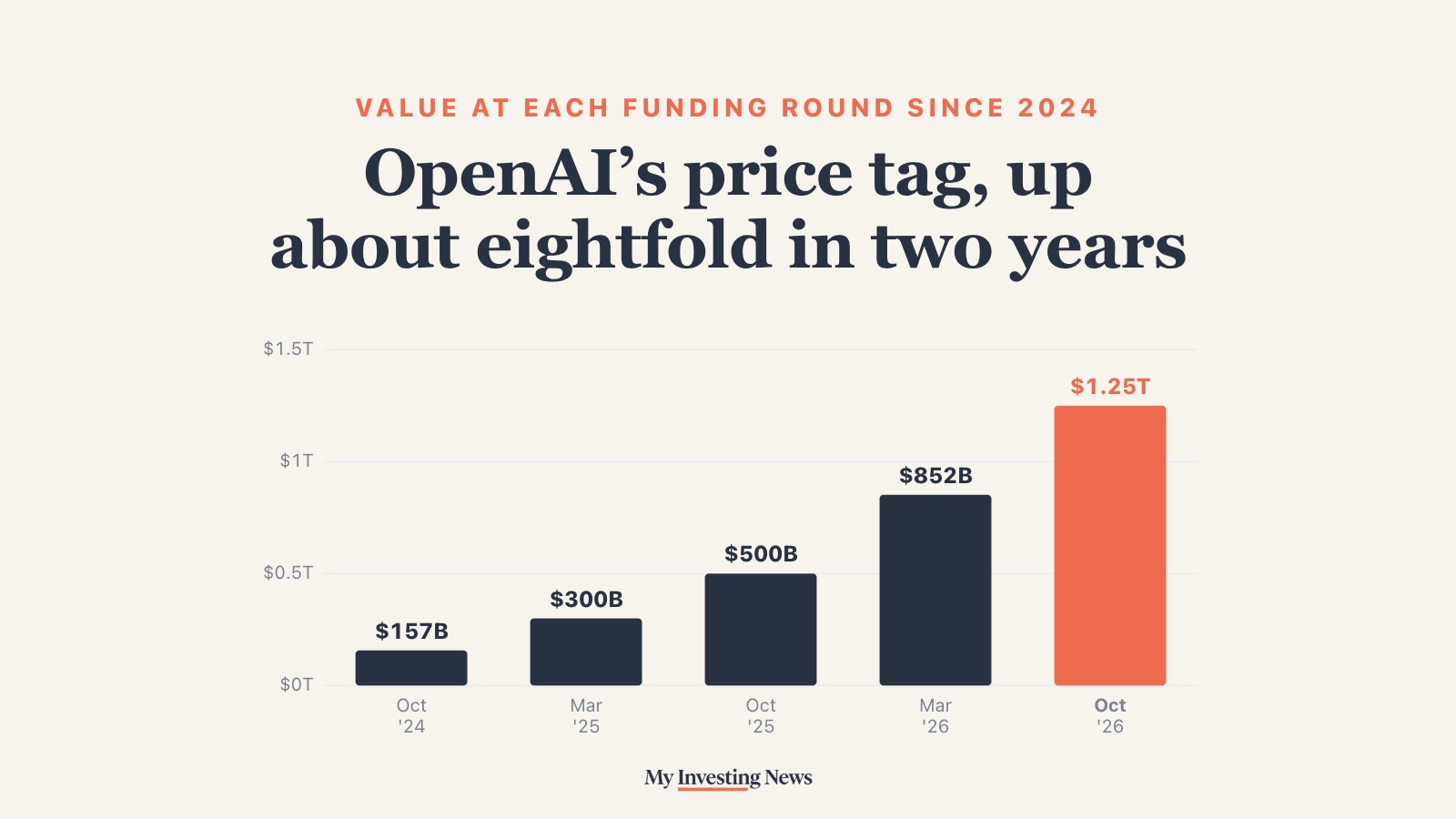
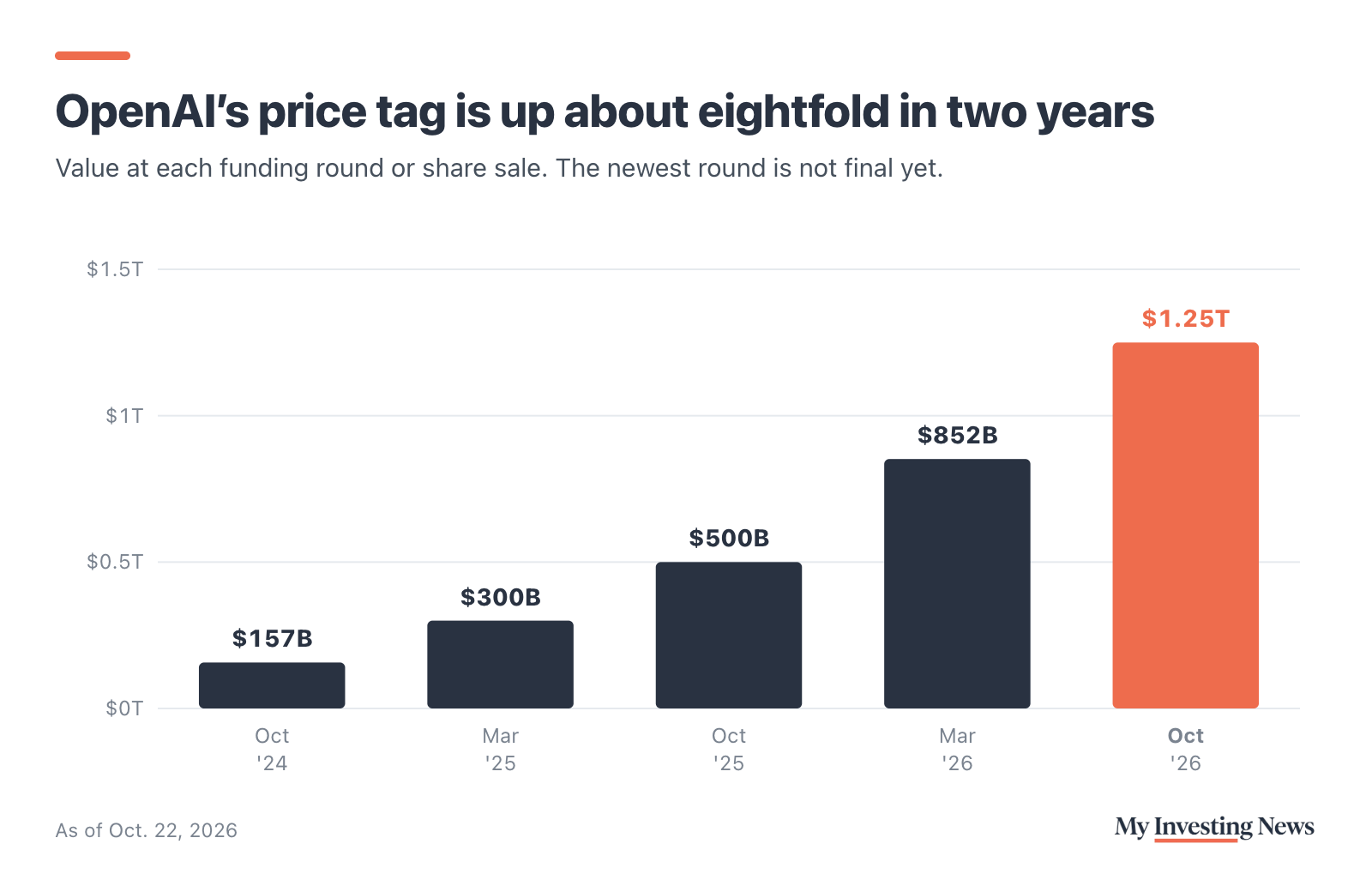
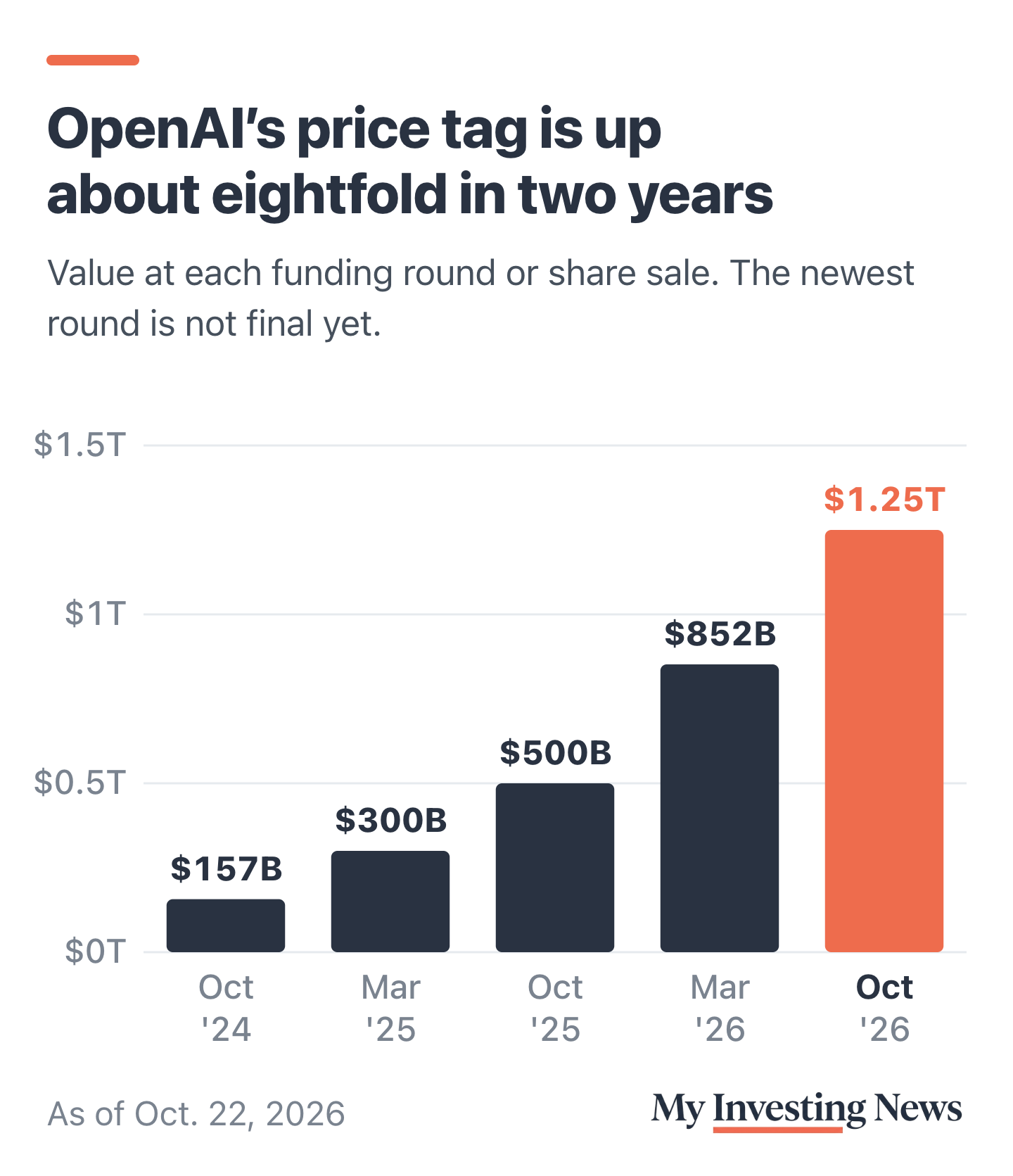
OpenAI is close to one of the largest private fundings on record, and Jason Calacanis likes the price more than you might expect. CNBC reported that OpenAI is approaching a funding round of up to $30 billion, led by UAE investors. CNBC put the valuation at $1.25 trillion. CNBC added that Coatue is co-leading the round and that the deal is being positioned as a bridge ahead of a potential IPO. TechCrunch also tied the raise to a possible IPO, and Bloomberg reported that OpenAI is targeting the same valuation.
On the latest episode of This Week in Startups, Calacanis said: “If you told me I could put, I don’t know, 5% of my net worth into this, 10% of my net worth at this price, I’d take a deep look at it.”
Why Calacanis Calls the Price Right-Sized
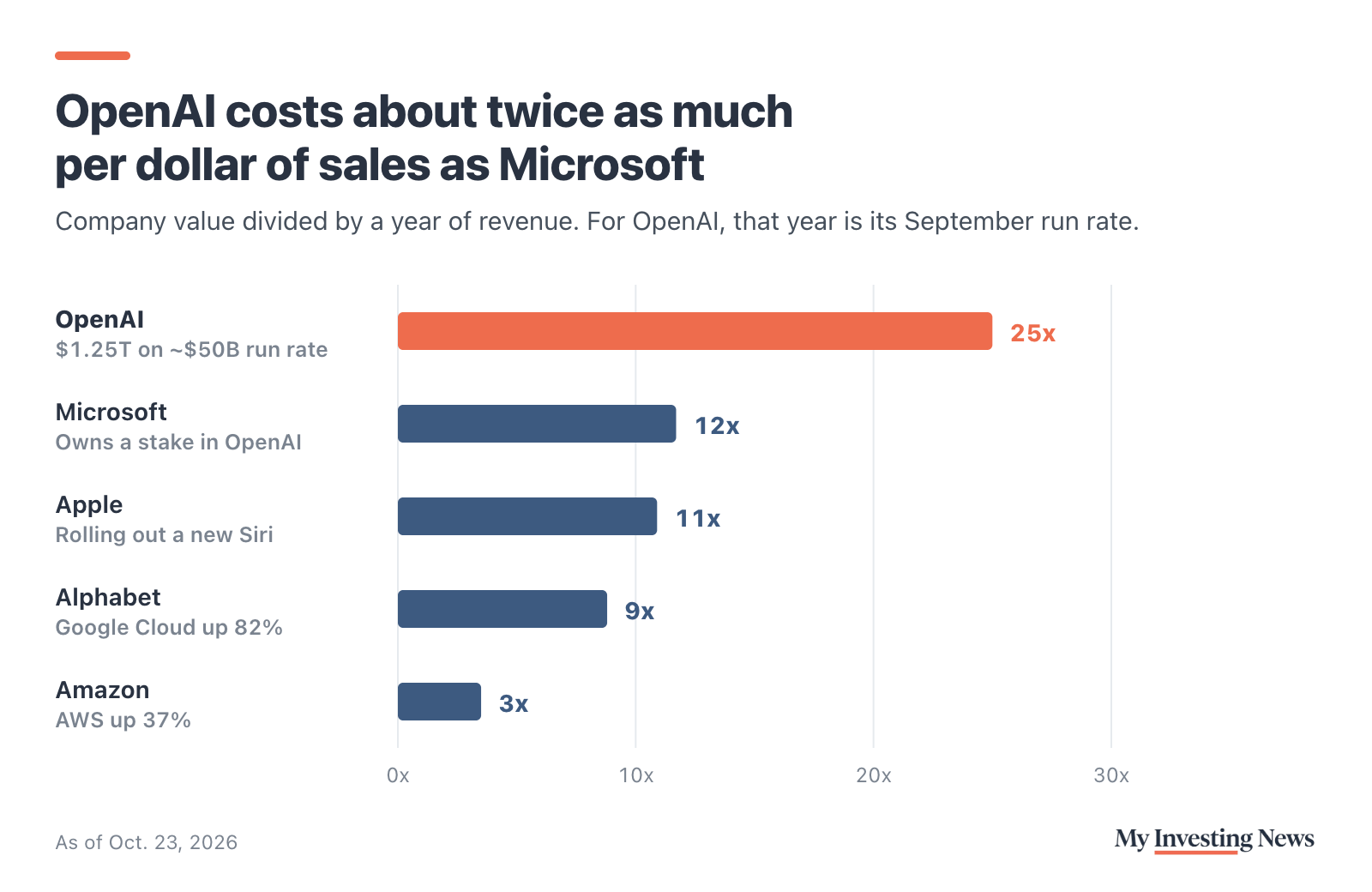
“I think they’ve actually right-sized the valuation to a certain extent,” Calacanis said. Citing Bloomberg, he noted the valuation came down from $1.4 trillion, the figure reported in late September. Calacanis estimated OpenAI’s annualized revenue run rate at about $50 billion. He described the valuation as about 30 times top line, which he said a high-growth business can defend. By the reported figures, $1.25 trillion works out closer to 25 times a $50 billion run rate.
A run rate takes a company’s current revenue pace, such as its latest month or quarter, and stretches it over a full year. “Times top line” refers to the price-to-sales ratio: what investors pay for each dollar of annual revenue. Top line is another name for revenue.
Fighters Who Ship Product
Calacanis also pointed to OpenAI’s record of bouncing back from setbacks: “Even though they seem to be getting beat over and over and over again, they seem to come back… they’re fighters and they ship product.”
Skeptic in the Room Pushes Back
His co-host was less convinced: “A frontier lab right now? Really? You still think?” The two went through the challenges. Anthropic, the main rival, is preparing its own IPO. Big Tech is racing to build AI agents, and those companies already own the distribution.
- AlphabetGOOGL said Google Cloud revenue growth accelerated to 82% and that nearly 90% of the Fortune 100 use Gemini Enterprise.
- MicrosoftMSFT owns stakes in both OpenAI and Anthropic and reports more than 30 million paid seats for Microsoft 365 Copilot.
- AmazonAMZN reported AWS growth of 37%, which it attributed to AI demand.
- AppleAAPL is rolling out an all-new Siri AI to its installed base.
Open-source models came up too. These are AI systems whose code and trained weights are released publicly, so anyone can download, run and modify them, often for free. That puts pressure on what closed labs like OpenAI can charge.
The OpenAI deal in numbers
A Hypothetical 30% Retirement Portfolio Game
The hosts then played a game: how would they split 30% of a hypothetical retirement portfolio across OpenAI, Anthropic and SpaceX? The co-host put 20% in SpaceX and 5% each in OpenAI and Anthropic. “I’m going to hedge the OpenAI versus Anthropic. I think it’s too close to call,” he said. Calacanis called that split “a perfectly reasonable bet.” Both hosts framed the exercise as a thought experiment between the two of them, separate from investment advice.
What a 25x to 30x Sales Multiple Tells Investors
A revenue multiple of 25 to 30 times means buyers expect revenue to keep growing fast for years. If growth slows down, or if competition from Alphabet, Microsoft, Amazon, Anthropic and open-source models pushes prices down, multiples like that can fall quickly. The same price can look cheap or expensive depending on how long the growth goes.
Concentration matters too. Putting 5% or 10% of your net worth into one company ties a big share of your wealth to a single result. With a private company, there’s another problem: there’s no public market for the shares. Prices are set in funding rounds, and selling can be hard. CNBC noted that OpenAI has confidentially filed a prospectus with the SEC. If it goes public, its full financials will be disclosed, and that will be the first chance to check estimates like Calacanis’ run rate against audited figures.
Signs to Track Before an OpenAI IPO
The next things to watch are the final size of the round, how Anthropic’s IPO is priced, and whether Big Tech’s AI growth rates hold up. A “right-sized” trillion-dollar price tag still depends on revenue that keeps compounding. For now, a crowd that is open to doubt is considering whether OpenAI’s trillion-dollar valuation is starting to make sense.
Calacanis thinks $1.25 trillion is finally a reasonable price for OpenAI and says he would seriously consider putting 5% to 10% of his net worth into it. The risk is that a price of 25 to 30 times sales holds up only if revenue keeps growing fast while Alphabet, Microsoft, Amazon, Anthropic and open-source models compete for the same customers.