Where we heard itCNBC’s Squawk Box, Oct. 21, 2026. Speaker: JJ Kinahan, senior vice president at Cboe Global Markets.
Investors are nervous about artificial intelligence stocks, and Cboe Global Markets’ JJ Kinahan sees that as a reason the rally can keep going. On CNBC’s Squawk Box on Oct. 21, 2026, Kinahan, whom CNBC identified as senior vice president of retail and alternative investments at Cboe Global Markets, described the mood this way:
“It’s definitely more cautious, particularly around the AI trade. It’s one of the reasons actually I think this trade can continue higher, by the way, because in my career I’ve always seen that when people are nervous about something, they go in more cautiously. There’s no FOMO or no, I have to be involved right now.”
FOMO stands for fear of missing out: the urge to buy a stock mainly because everyone else seems to be making money on it. When that urge takes over a market, buyers stop asking about price, and that kind of buying tends to show up near tops.
Kinahan Calls the AI Revenue Numbers “Absolutely Insane”
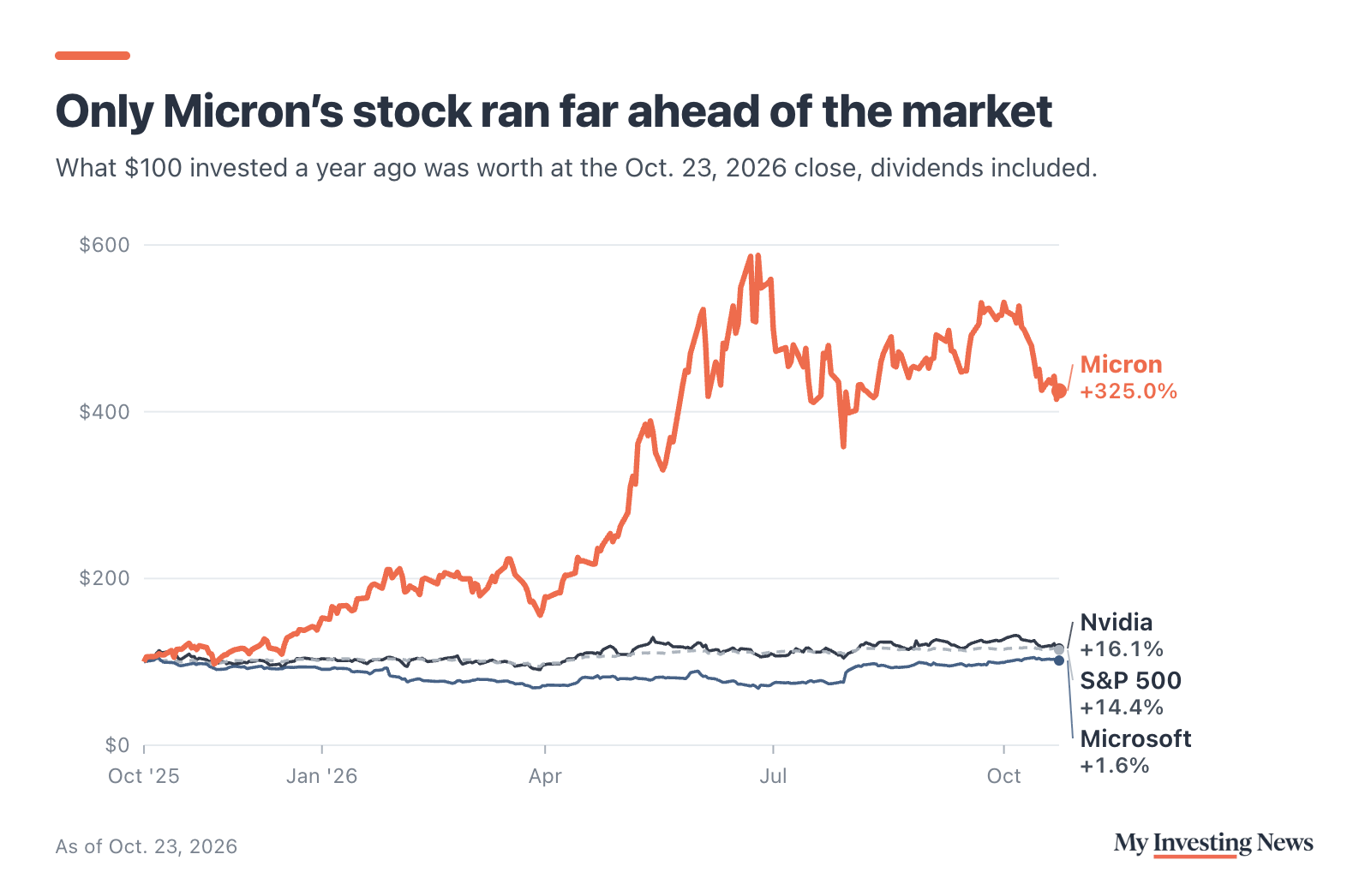
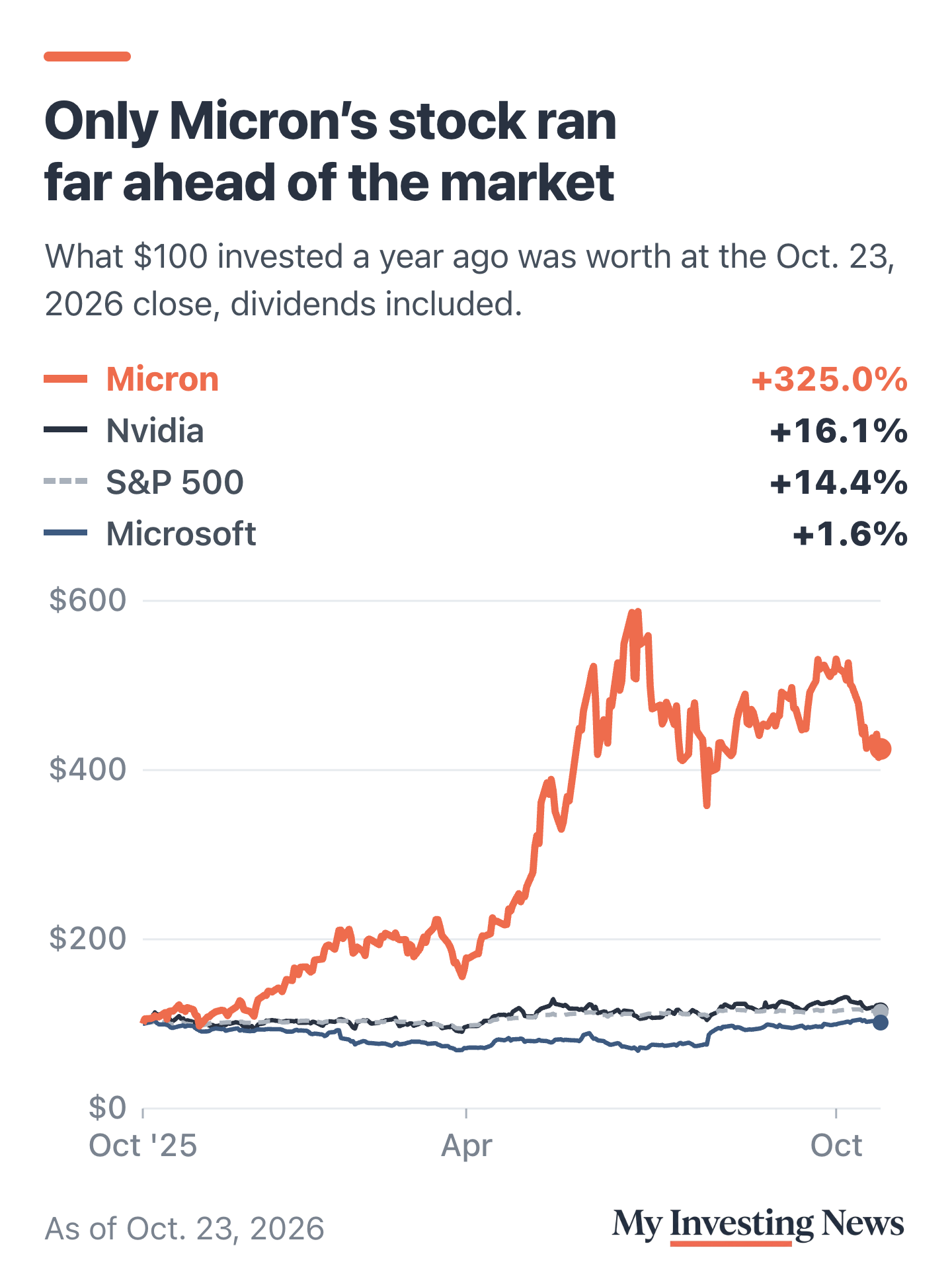
Kinahan said the fundamentals give investors plenty to like: “The numbers we got yesterday, how can you not be encouraged? In terms of the revenue lifts you’re seeing in some of these companies, it’s absolutely amazing what you continue to see, starting with Micron three weeks ago, coming all the way through where you’re seeing 300% revenue lifts, 150% revenue lift year over year. The numbers are absolutely insane.” He was describing AI-related companies as a group, with year-over-year revenue rises ranging from 150% to 300%. The MicronMU report was where he started the list.
NVIDIANVDA shows the scale. In its fiscal second-quarter results filed with the SEC, revenue reached $96.22B (+105.8% YoY), and Data Center revenue came in at $89.02B (+117% YoY). NVIDIA guided third-quarter revenue to $108.0B +/- 2%.
The problem is expectations. In the same segment, the Nasdaq closed essentially flat after a significant down day, and Kinahan noted that expectations have climbed so high that even spectacular results often disappoint. NVIDIA shares fell about 1.5% in the week through the Oct. 23 close, and Barron’s reported that not even rumors of a big China chip purchase could lift the stock.
Why Calling the Top Can Cost You
“I think one of the mistakes that retail investors make and investors in general, they try and pick the top. Don’t catch a falling knife. I don’t know that there’s a corollary for selling, trying to sell the top, but I hear people all the time. Well, this is the top. I have to get short here. Why do you have to call the top?”
“Catching a falling knife” means buying a stock in the middle of a steep drop on the hope that it has hit bottom. “Getting short” means selling borrowed shares so you profit if the price falls. A short seller’s losses can keep growing for as long as the stock keeps rising, which makes calling the top an expensive mistake when you get it wrong.
Microsoft and Amazon Show What Sitting Out Can Cost
Kinahan made the case for staying in: “When could you in the last 20 years, when could you not have bought Microsoft and or when could you not have bought Amazon? There’s never been a good time to have been out of some names like that.”
Over the ten years through Oct. 21, 2026, MicrosoftMSFT shares returned about 906% and AmazonAMZN shares gained about 541%. Those figures cover ten years, which is shorter than Kinahan’s 20-year window. Past performance does not guarantee future results.
Ten years through Oct. 21, 2026, dividends included
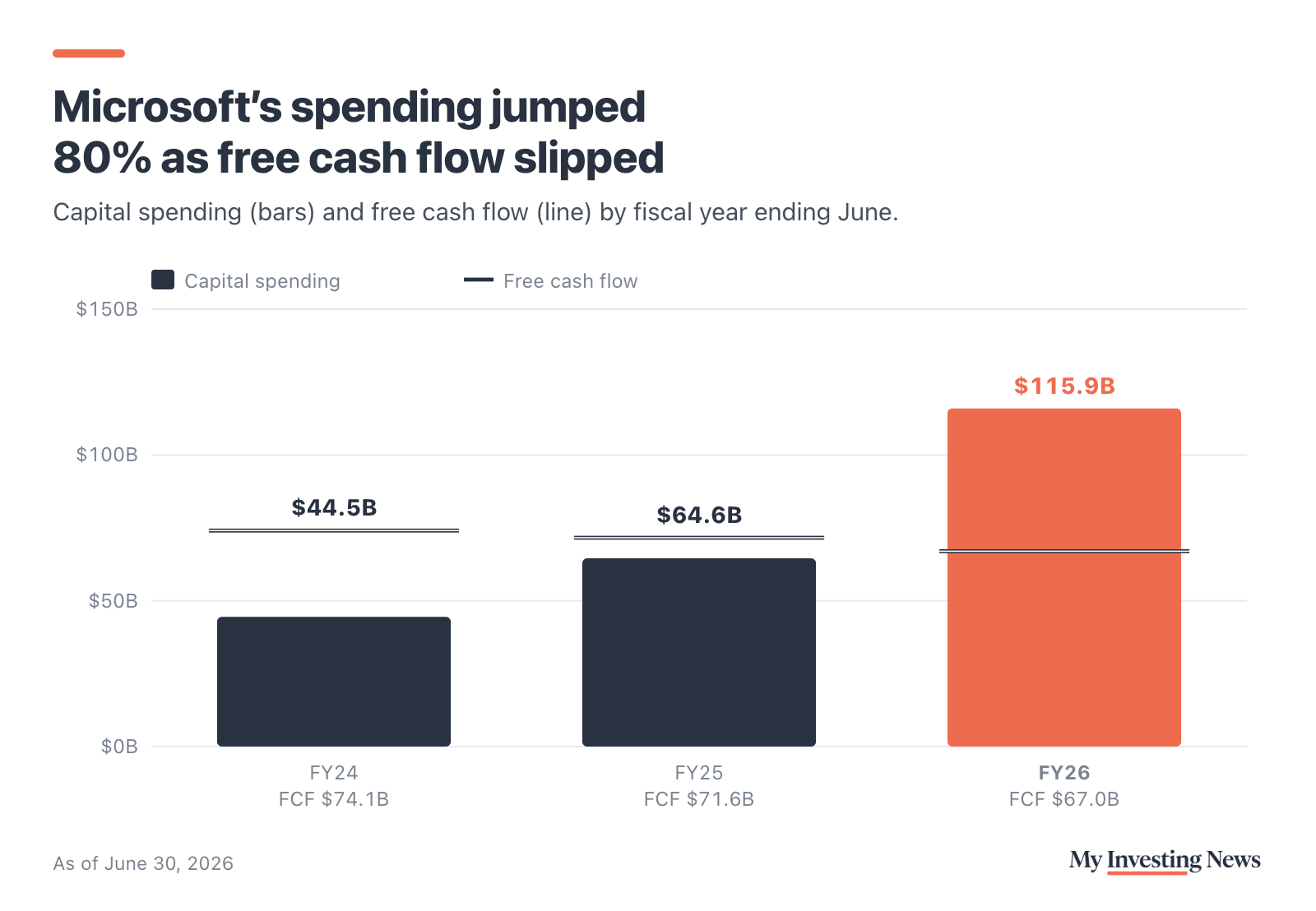
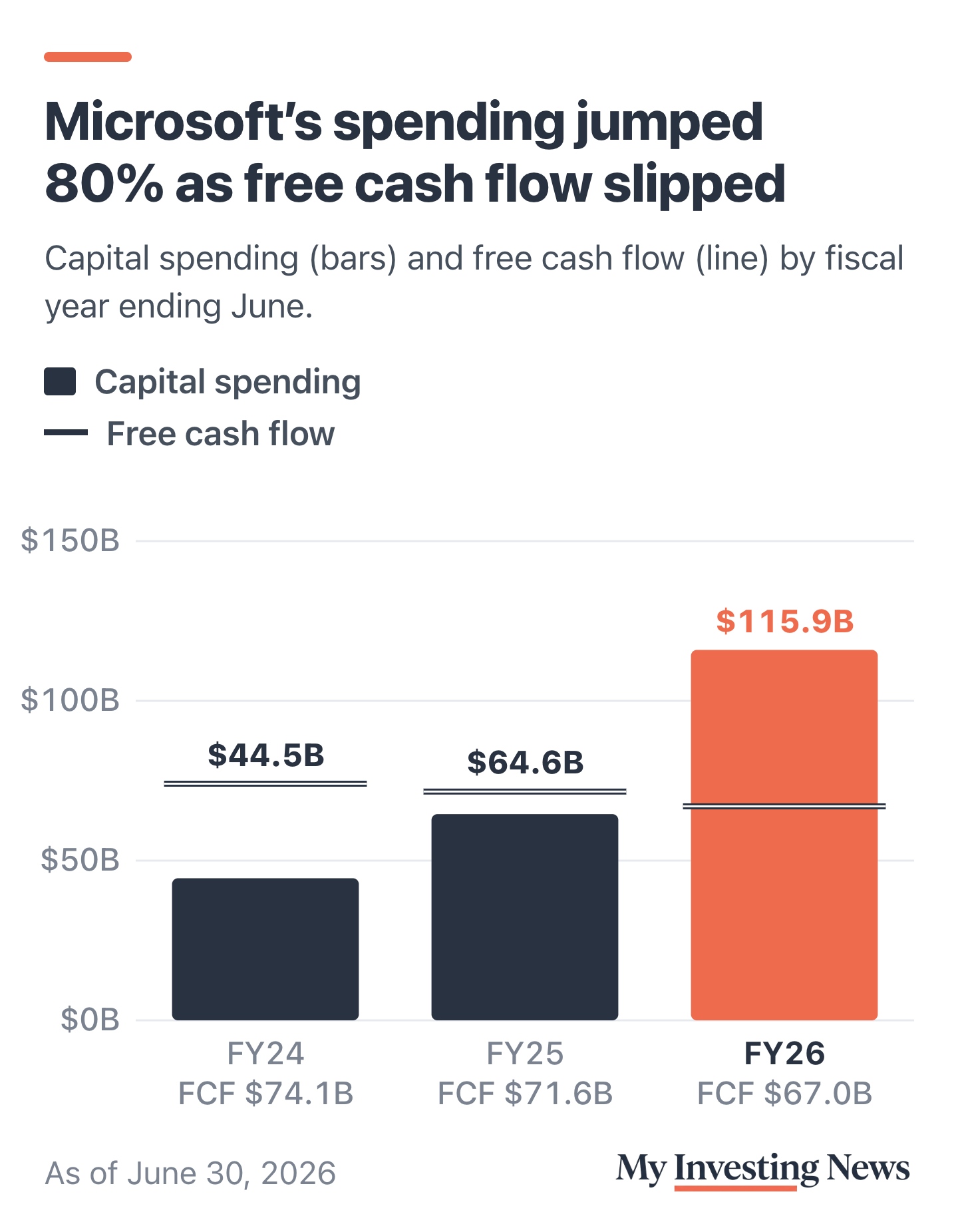
Microsoft is still growing fast. Azure grew 43% in fiscal fourth quarter and topped $100B in full-year revenue. That growth is expensive, though: fiscal 2026 capex rose to $115.95B (+79.6%), while free cash flow fell to $66.99B (-6.5%).
Ask “How Much Can I Lose?” Before You Buy
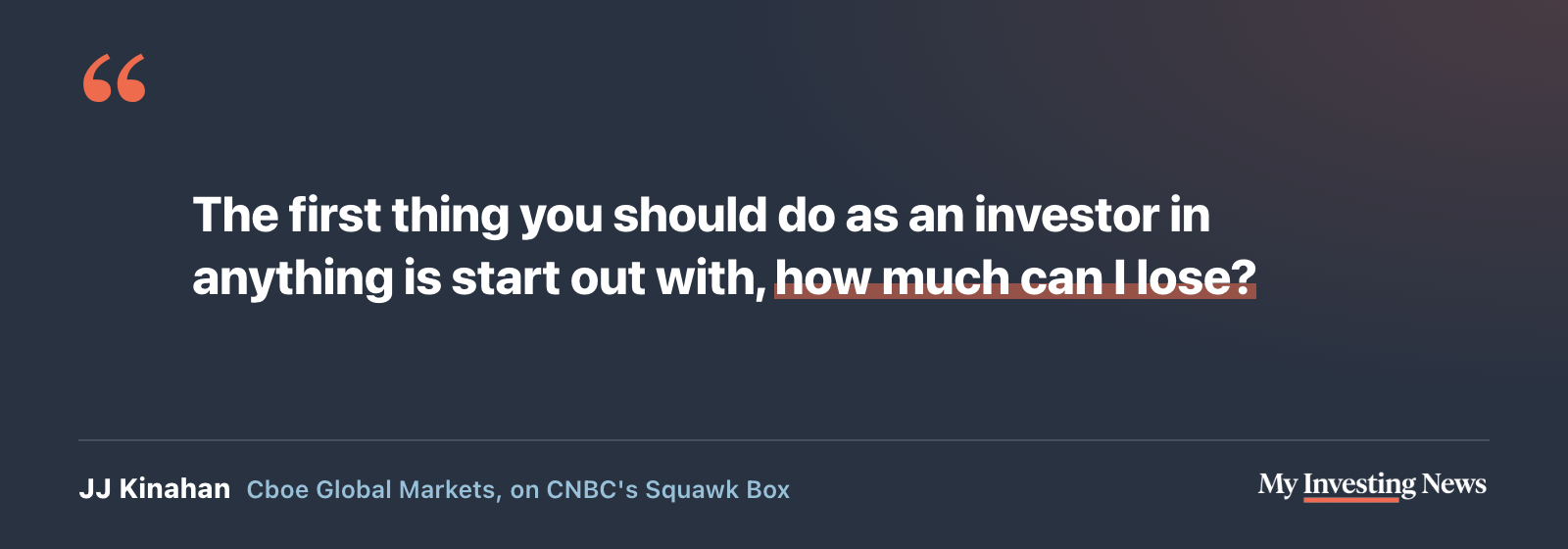
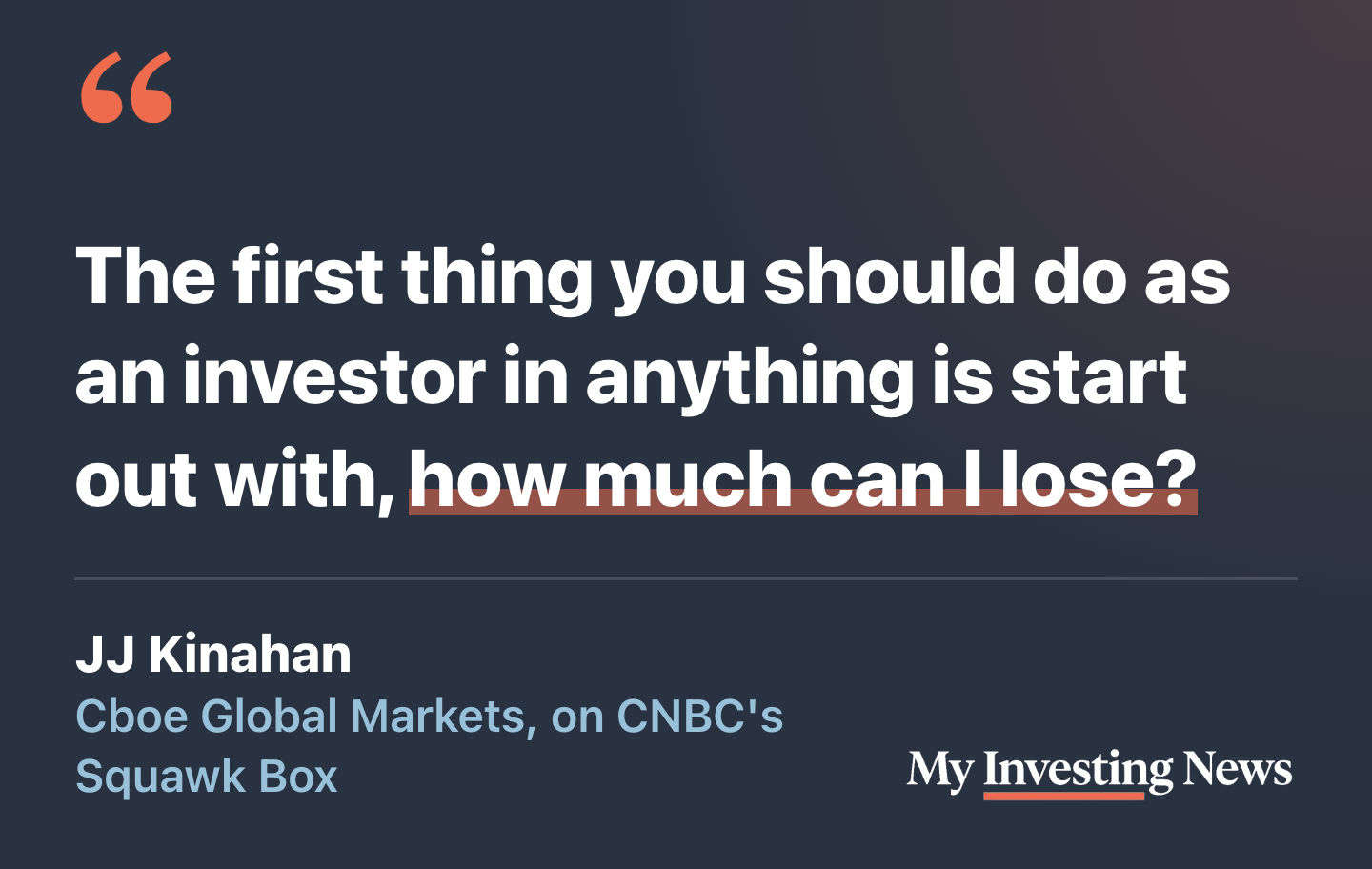
Kinahan’s most practical advice: “The first thing you should do as an investor in anything is start out with, how much can I lose? And then what? That’s how you take emotion out of trading.”
In practice, that means setting a few things before you buy:
- Pick a position size you could watch fall sharply without giving up your plan.
- Set the dollar loss you can bear and the price where you would reassess.
- Look at how concentrated you already are. Many index funds hold NVIDIA and Microsoft in large weights.
Both companies spell out risks worth reading. NVIDIA carries $279B in supply obligations, and its outlook includes no China Data Center compute revenue. Microsoft CFO Amy Hood said its capex has shifted toward short-lived chips, so “if the demand environment changes, you just slow down” spending. Eric Hippeau puts the useful life of AI chips at roughly five to seven years.
What to Watch Next for the AI Trade
Kinahan sees today’s caution as a possible source of fuel for the rally, since nervous buyers tend to size positions carefully and avoid FOMO-driven buying. Peter Boockvar has estimated that 70% or more of third-quarter earnings growth is tied to the AI trade. Investors should watch whether the next round of AI earnings can clear expectations that, in his words, have made even spectacular numbers a hard bar to beat.
Kinahan thinks investor caution around AI could help the rally last, because nervous buyers skip the FOMO-driven buying that tends to show up near tops. His first rule is to decide how much you can lose before you buy. The risk is that expectations are now so high that even huge results, like NVIDIA’s 106% sales growth, may not lift the stocks.