
Where we heard itFox Business report on three-year bachelor’s degrees, aired Oct. 21, 2026. Also quoted: consumer money host Clark Howard, Sept. 4, 2026.
A family paying for a bachelor’s degree at Johnson & Wales University can save up to about $64,000 if the student finishes in three years instead of four, according to a Fox Business report aired on October 21. The student also starts earning a paycheck a year sooner.
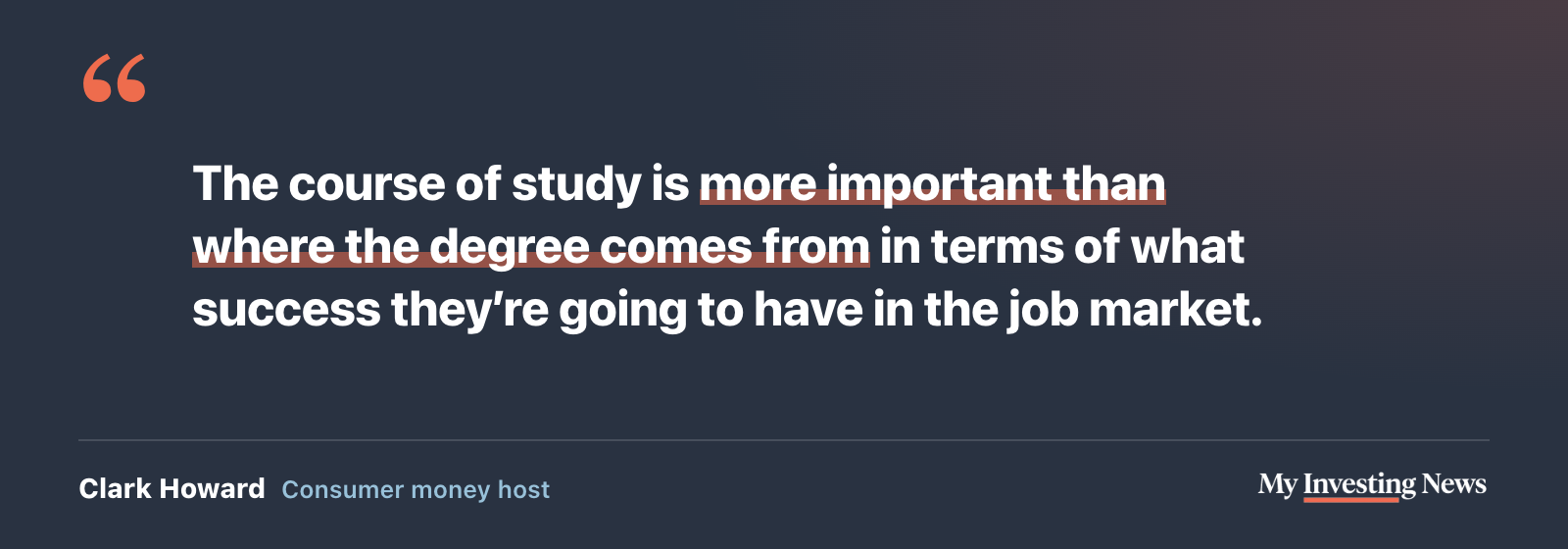
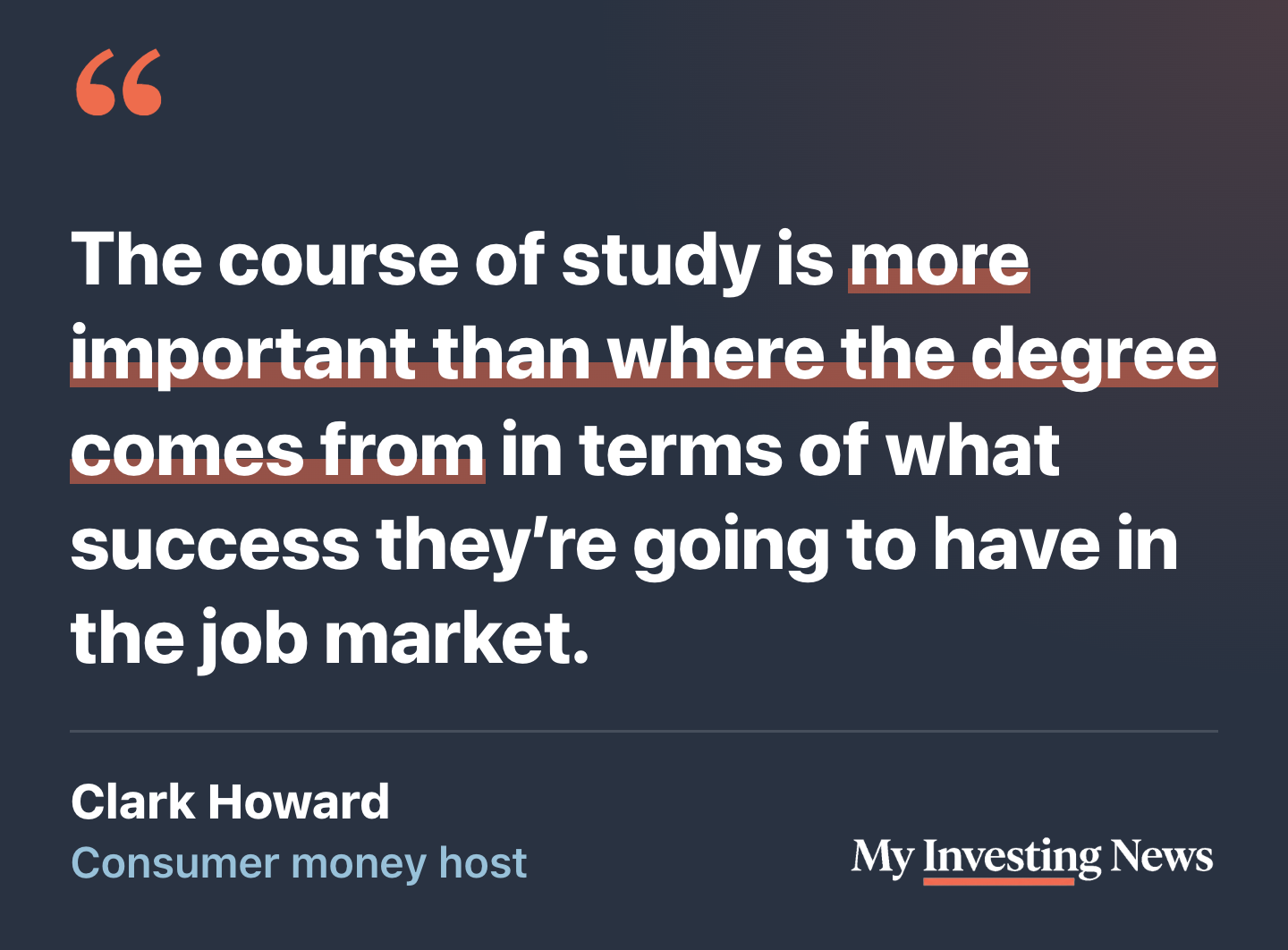
That pitch fits something Clark Howard said. The consumer money host made the remark on September 4, while talking about whether elite college brands are worth their price: “The course of study is more important than where the degree comes from in terms of what success they’re going to have in the job market. People concentrate on, ‘My kid’s got to go to one of the top 40 universities,’ and it isn’t what’s going to make you a success.”
Howard is right, and three-year degrees put his point to a real test, since if the major drives career results, a shorter path to that same major is worth a lot of money. There is one condition: the degree has to open the doors the student needs, because if a family saves a year of tuition and then pays it back later for missing credits, it has saved nothing.
Fewer Credits, Same Major: How Three-Year Degrees Work
A credit is about one hour of class a week for a semester. Fox Business reports that traditional bachelor’s degrees require 120 credits, while three-year programs require 90 credits. That gap of 30 credits is about one full year of classes.
The weekly workload stays normal. Fox Business reported that administrators win accreditation approval to drop certain courses and electives and streamline the curriculum. Accreditation is the outside review that confirms a college’s degrees meet quality standards. It’s what makes a diploma count with employers and other schools.
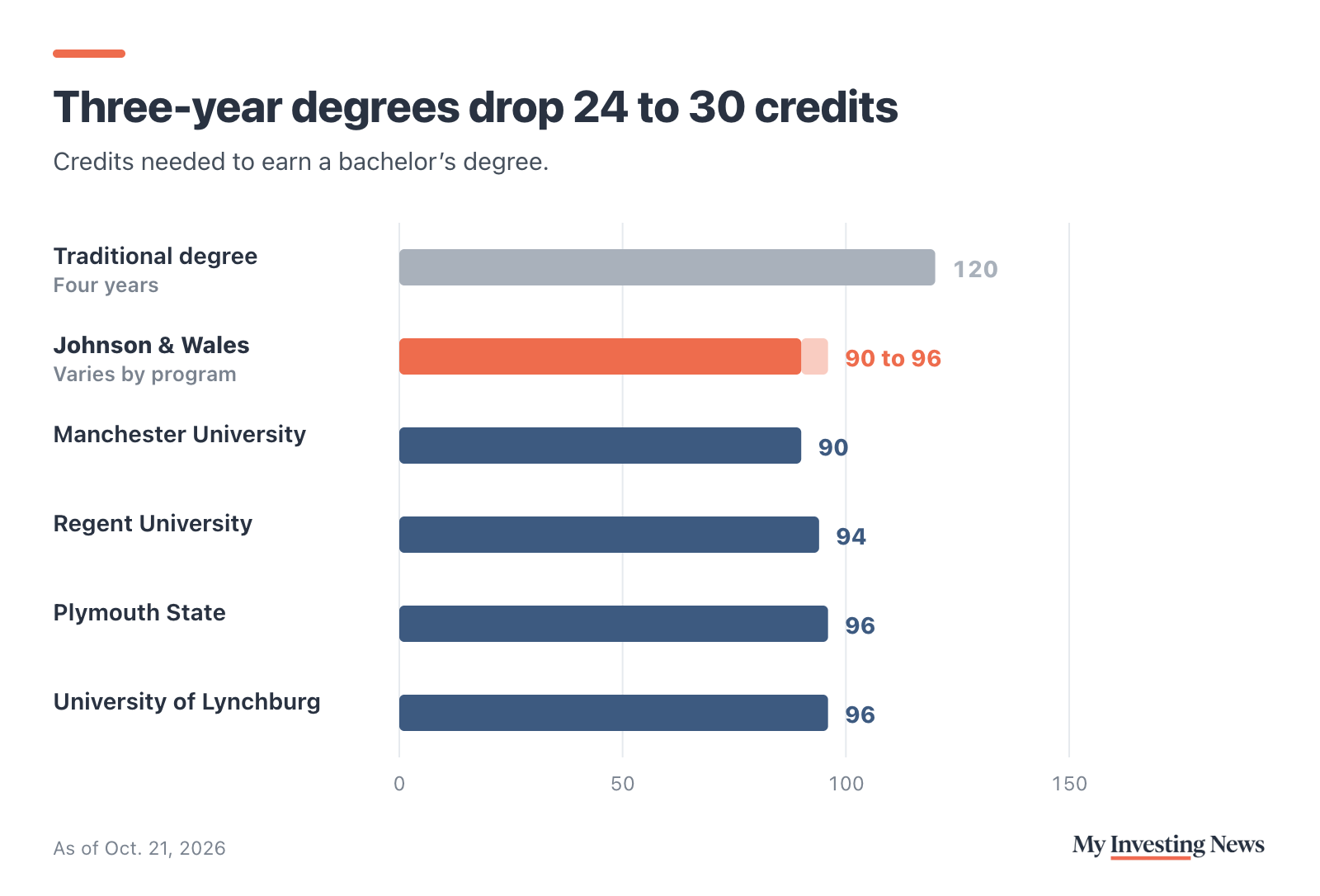
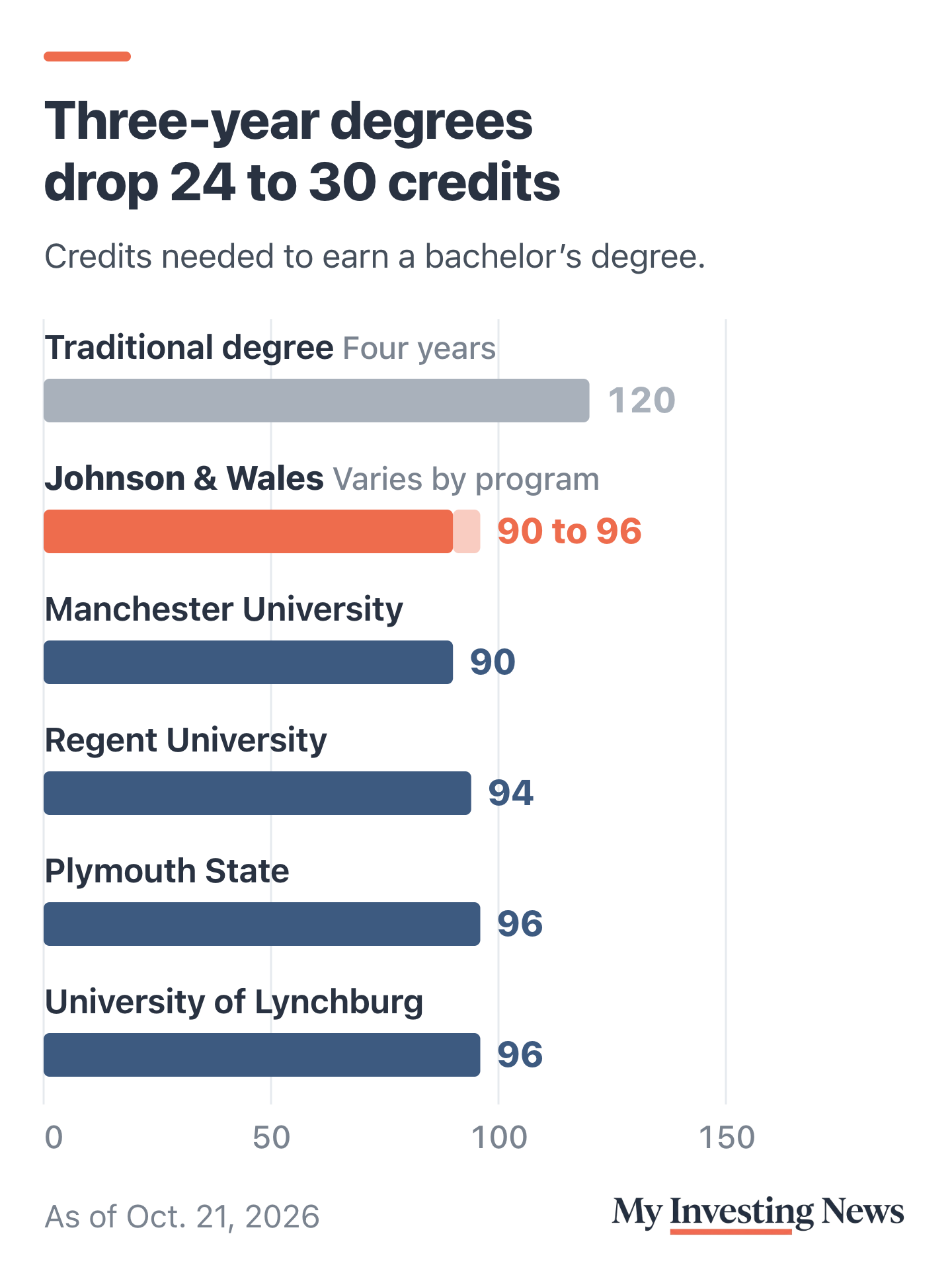
More schools are signing on. The Hechinger Report wrote in March that colleges are quickly cutting the B.A. to three years. Regent University just announced a three-year artificial intelligence degree starting in spring 2027.
A Year Saved Adds Up Fast
Start with the up to $64,000 in savings at Johnson & Wales. Then add the earlier paycheck. As an illustrative example, assume a $50,000 starting salary. Finishing a year early then puts about $114,000 in combined value on the family’s side of the ledger, before taxes on that salary.
For scale, the average U.S. household spent about $79,000 on everything in 2024, per the Bureau of Labor Statistics. One year of savings at Johnson & Wales comes close to a full year of a typical family’s spending. FINRA has found a record share of Americans spending more than they earn.
Three-year degrees at a glance
Which Majors Offer the Shortcut
According to Fox Business, the programs are mostly in criminal justice, hospitality, computer science and graphic design. Employers in these fields tend to hire on skills and portfolios, which is Howard’s argument exactly.
Faculty Groups Are Pushing Back
Fox Business reported that the American Association of University Professors and the American Federation of Teachers oppose the trend. They argue that a cut curriculum narrows students’ education at a time when society needs graduates with stronger thinking and civic understanding.
Lawmakers are split as well. The CT Mirror reported in June that Connecticut lawmakers rejected three-year degrees. The Josiah Bartlett Center wrote in July that looser rules made them available in New Hampshire.
Licensing Boards and Grad Schools Decide Whether the Savings Last
Fox Business reported that it’s still unclear how graduate programs, employers and licensing boards will treat these degrees. Administrators admit the programs aren’t right for every student or major.
Look at both cases. In a field that hires on skills, like graphic design, the student keeps the full savings and the extra year of pay. Now suppose a grad school or licensing board requires 120 credits. The student may have to buy back those missing credits later, which wipes out the savings and pushes back the paycheck.
Long training paths carry their own money trap: one physician has described how the years of training before a doctor’s first big paycheck can delay financial independence by a decade.
Questions to Ask Before Enrolling
- Does the career require a license or graduate degree? If so, ask the licensing board or target programs directly whether they accept a 90-credit bachelor’s.
- Will the credits transfer? If the student changes schools or majors, find out how another college would count the coursework.
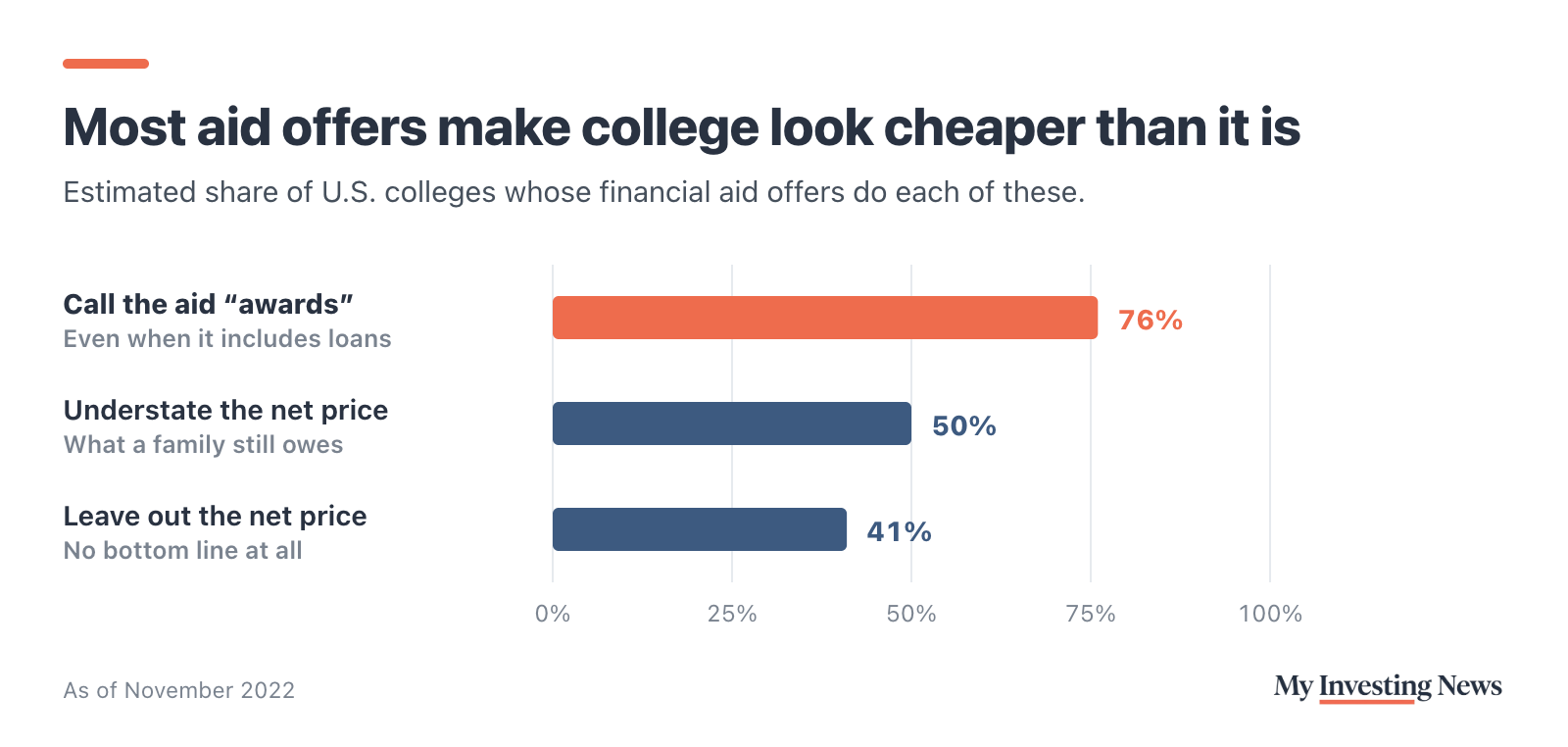
- Does the price really drop by a full year? Ask for the total three-year cost after aid. The Government Accountability Office estimated that 76% of colleges call the aid in their offers “awards,” even when the package includes loans that must be repaid, so read every line.
- How does financial aid change? Ask whether scholarships and grants carry the same yearly value over three years. If borrowing, the Consumer Financial Protection Bureau (CFPB) says most borrowers should consider federal student loans before private ones.
A faster, cheaper degree is only worth it when it gets the student into the career they actually want.
Howard’s view is that the major matters more than the school’s name, and three-year degrees test that by cutting about a year of cost and putting graduates to work sooner. The risk is that some graduate schools and licensing boards still expect 120 credits, and buying back the missing year later can erase the savings.