Where we heard itCNBC, “Peter Tchir: I think you’re going to see Europe explode in a good way.” Aired Oct. 26, 2026. Speaker: Peter Tchir, head of macro strategy at Academy Securities. Watch at CNBC
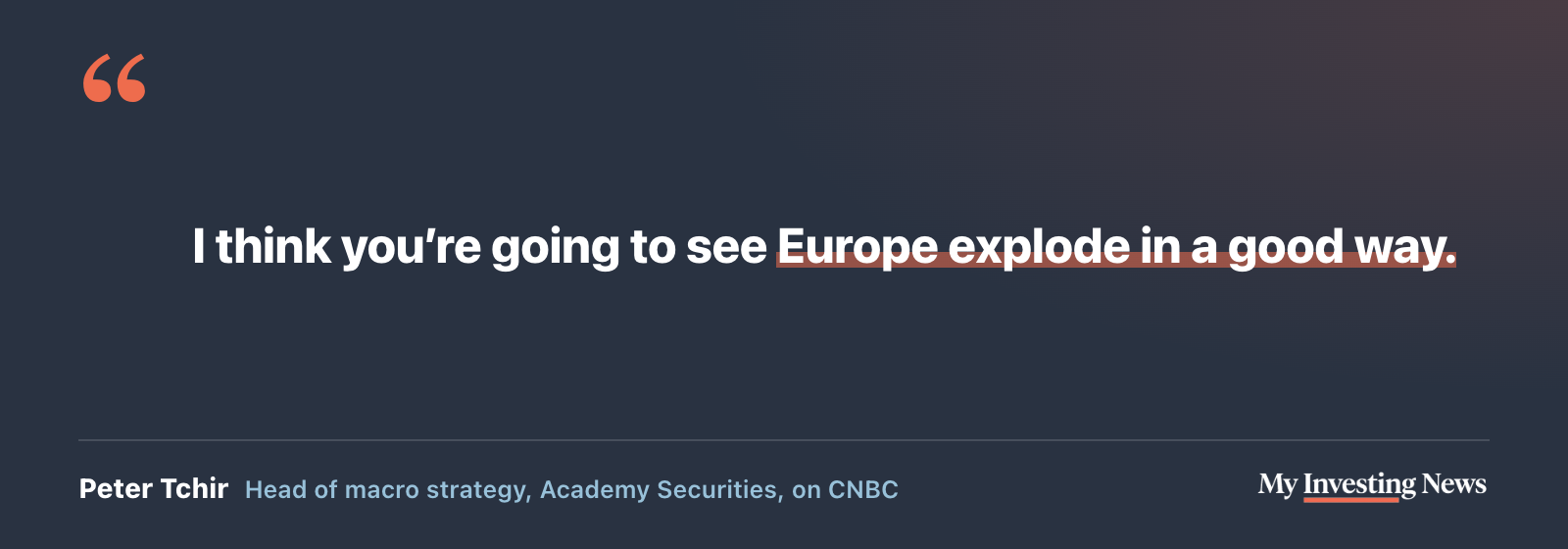
Peter Tchir, head of macro strategy at Academy Securities, sees two forces shaping markets right now. One is near-term geopolitical risk around Iran. The other is a slower structural shift in Europe, and that second call is the contrarian part. In a CNBC segment on Oct. 26, 2026, he said: “I think you’re going to see Europe explode in a good way. In terms of the economy, I think you’re going to start seeing them drill in the North Sea. I think you’re going to see them free up their energy companies. You’re going to see this real development.”
Why Tchir Expects Europe to Turn the Corner
His reasoning is simple. Europe is going through economic pain, and cost-of-living frustration, combined with the U.S. push to onshore production, is pushing the region toward self-sufficiency in energy and manufacturing. Per the CNBC segment, Europe is also imposing new restrictions on Chinese imports, which could direct more demand toward local producers.
From there, his thesis follows: “I think you want to invest in the energy, the infrastructure and the build out of manufacturing and defense in Europe.”
Plenty of voices remain skeptical. UBSUBS executive Sergio Ermotti said on October 6, 2026 that “Europe is definitely not growing and not creating a lot of wealth.” Tchir also argued that markets are focused on Brazil’s election, where Lula won and Flavio Bolsonaro is contesting the result, while missing the bigger shift underway in Europe.
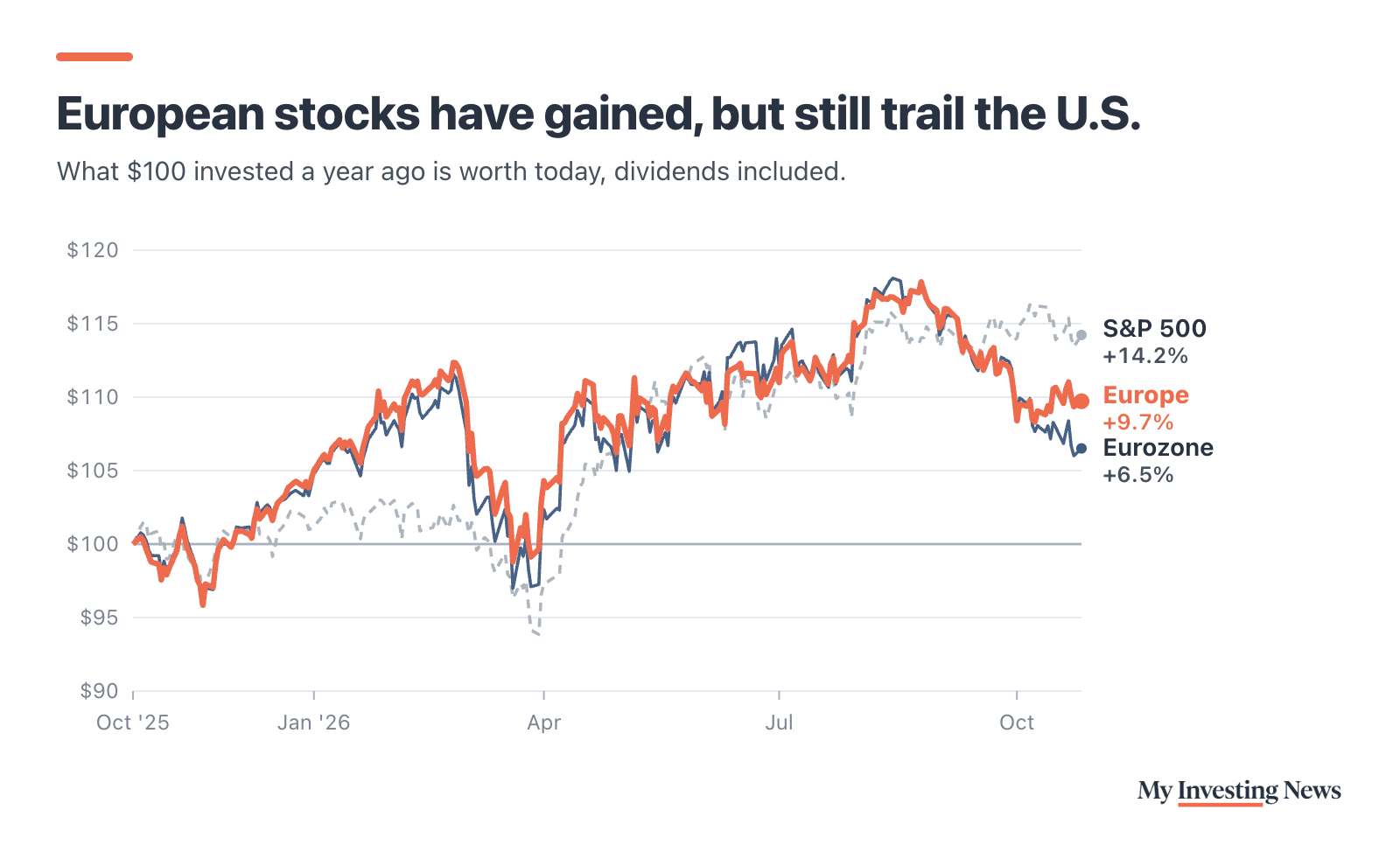
European stocks have already gained ground. The Vanguard FTSE Europe ETFVGK, a broad gauge of the region, is up 5.7% year to date and 9.7% over one year, including dividends, through the Oct. 26 close, though it has slipped 2.4% over the past month.
Iran Risk Could Return After the Midterms
On the near-term side, Tchir’s view draws on conversations with retired military and intelligence officials, according to the segment. “We all expect renewed hostilities after the midterm elections. We’re putting more troops into place. There’s enough threats. What exactly it looks like is probably undetermined. In all likelihood, we go after their targeting facilities in and around the strait to reduce that.” He also pointed to nuclear facilities as possible targets. This is his expectation, and his own words (“probably undetermined”) leave room for other outcomes. The headlines remain changing: President Trump said on Sunday that he is weighing a deal with Iran against action to “finish them off”.
Markets around the call
He noted the wider region as well: “You’ve got Saudi Arabia having their battles with the Houthis. The UAE is kind of on the Saudi side in some cases. So that’s going to be really interesting to see how it plays out.”
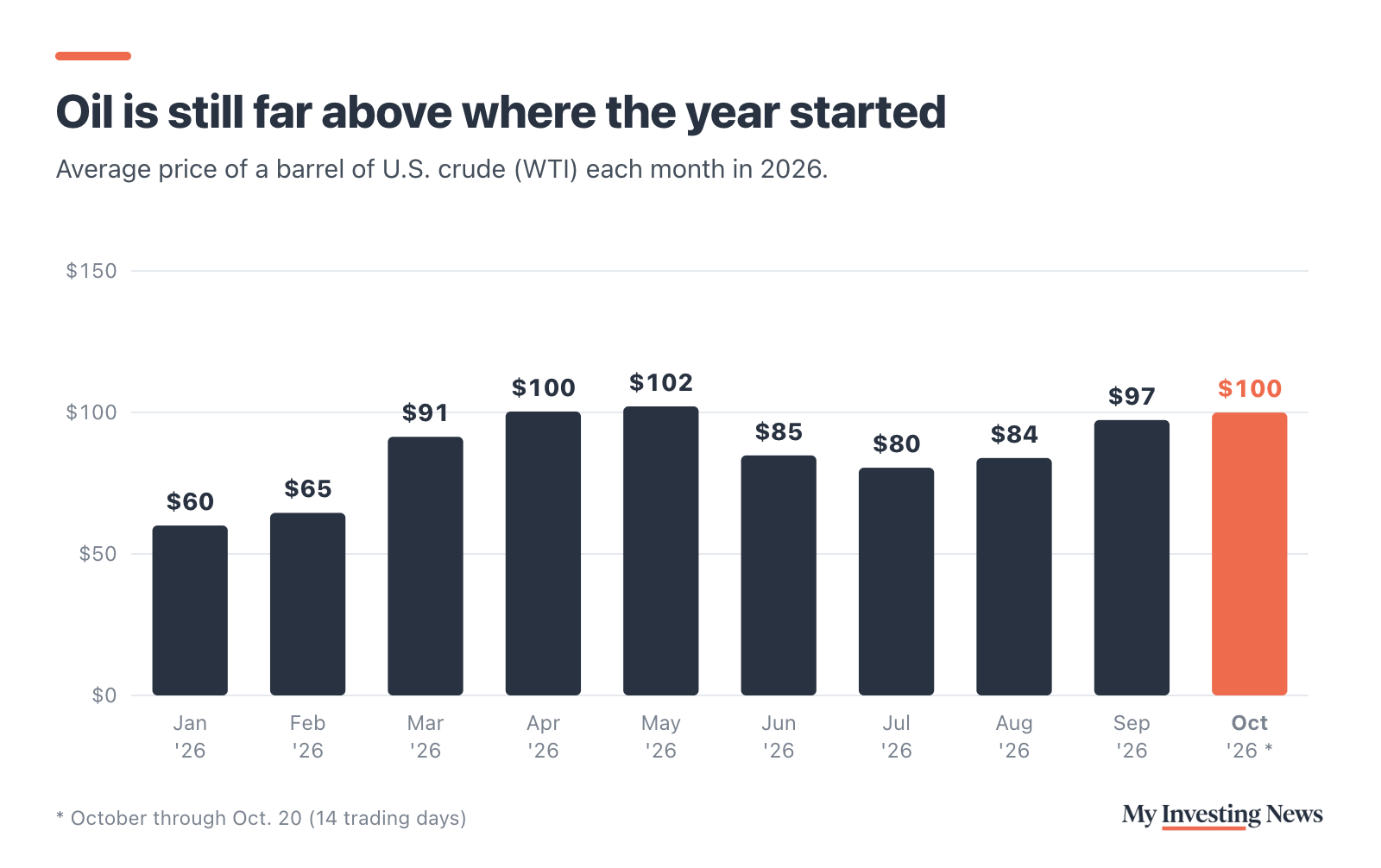
For markets, the Strait of Hormuz matters because it is a key oil shipping route, and disruptions there earlier this year moved crude prices. Oil remains elevated. WTI crude stood at $107.89 per barrel on October 20, up from $85.23 on September 25.
China’s Cheap Compute Is the Story He Says Markets Miss
Tchir’s third point targets technology investors: “The story that does not get enough attention, we keep trying to bring it up, is the cheap compute coming out of China, right? China’s ability to generate chips. They’re getting better and better. I think we forget how quickly Huawei dominated telecom.” He sees this as an underrated competitive risk. If Chinese chips keep getting cheaper and better, the pricing power that Western chipmakers and AI infrastructure firms now enjoy could narrow over time.
What Tchir’s Thesis Means for Investors
Put simply, his Europe call points toward four broad areas: European energy, infrastructure, manufacturing and defense. Each would benefit if governments loosen rules on domestic drilling, build out power and transport networks, and bring production back home.
His two calls also run on different timelines. Iran is a near-term risk that can bring sudden volatility, and nerves is already creeping in. The VIX rose to 19.03 on October 22 from 14.84 on October 9. Europe is a multiyear structural story that would take time to play out.
Risks That Could Derail His View
Europe’s recovery depends on policy follow-through. Allowing new North Sea drilling and freeing up energy companies requires political will that has hesitated before. His Iran expectation is uncertain by his own description, and geopolitical calls are hard to time even when the direction proves right. Investors researching his thesis should watch for specific European policy moves on energy permits and defense budgets, along with oil prices and any developments around the Strait of Hormuz after the midterms.
Tchir expects Europe to drill, build and manufacture more at home, and he wants investors looking at European energy, infrastructure, manufacturing and defense. His near-term worry is Iran, where he expects renewed hostilities after the U.S. midterms that could jolt oil prices. Both calls depend on things that are hard to time: European policy follow-through and the course of the conflict.