Investors have been selling neocloud stocks on concerns that lenders are backing away from the companies that borrow heavily to build and rent out AI computing power. These newer cloud providers focus on one job: buying large numbers of AI chips, installing them in data centers and leasing that computing capacity to AI labs and businesses. CoreWeave (NASDAQ:CRWV) traded at $56.47 as of 2:01 PM ET Monday. That was up 4.13% on the day but down 35.02% over the past month and 54.22% over the past year. Meanwhile, Nebius Group (NASDAQ:NBIS | NBIS Price Prediction) traded at $161.06, up 1.46% today and down 28.93% over the past month, though still up 92.41% year to date.
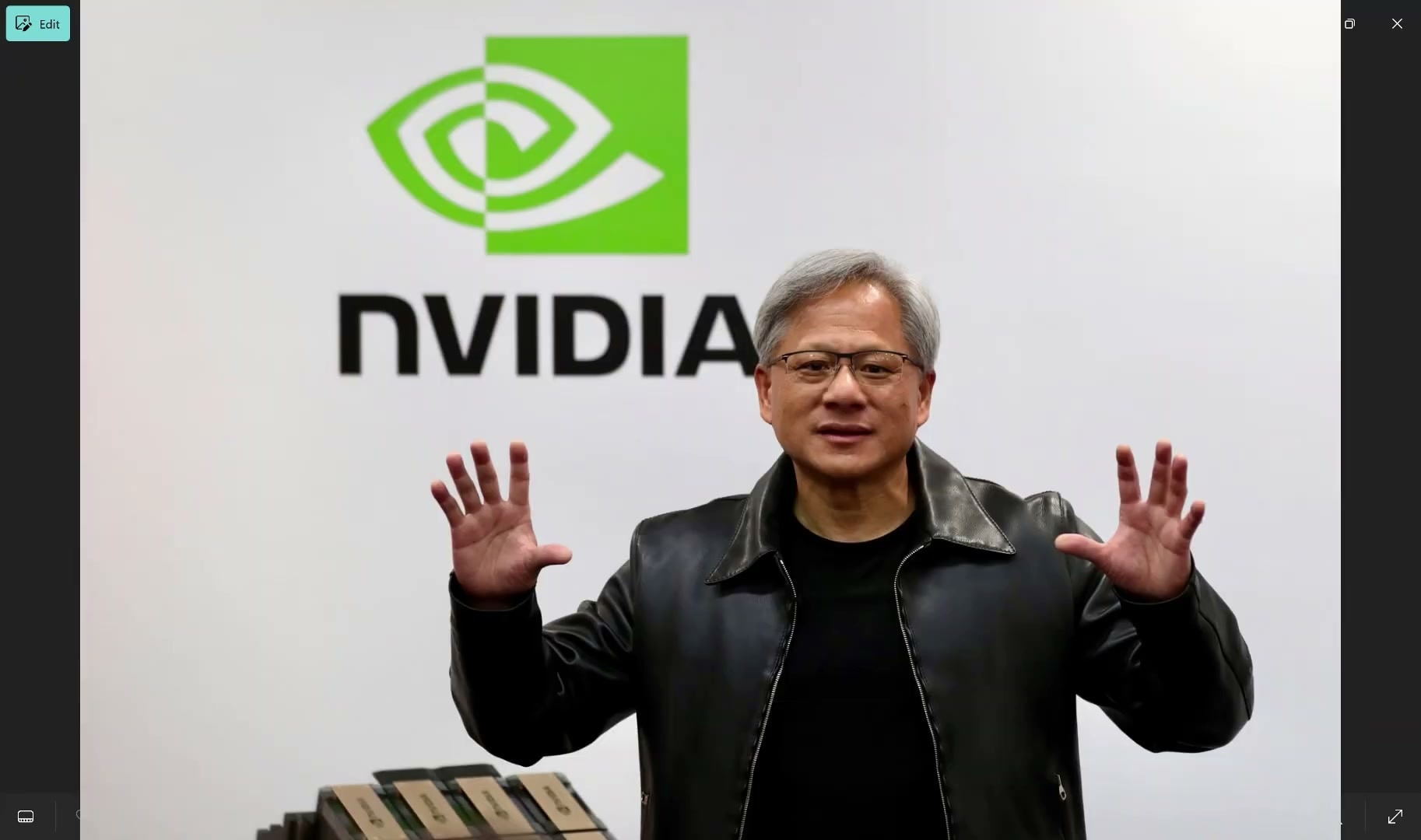
Last week, before Elon Musk posted his Sunday warning about the group, NVIDIA (NASDAQ:NVDA) CEO Jensen Huang took the other side in a live interview at NVIDIA’s GTC Berlin conference.
Huang Expects Demand to Close the Financing Gap
When asked how likely a neocloud shakeout was, Huang said: “I think this is going to get solved, and the reason for that is because the demand is so good.” He said CoreWeave is seeing that kind of demand, and he seemed to name Nebius and Nscale as well.
He also acknowledged the problem. The gap between when computers ship and when they start making money “could be many months,” and “the amount of float is quite large.” Float is the cash a neocloud has locked up in chips and construction before customers start paying.
CoreWeave’s numbers show the pressure. In the second quarter, free cash flow was -$5.74B and interest expense reached $640M, compared with $267M a year earlier, according to its Q2 earnings release filed with the SEC. Management guided third-quarter interest expense to $860 million to $940 million. Its debt-to-equity ratio is 8.94.
Baker Relays DeepSeek’s $38 per GPU Hour Demand Signal
Investor Gavin Baker, who joined the interview partway through, said DeepSeek claims it making $38 per GPU hour. “Last time I checked, I haven’t heard anybody renting GPUs anywhere near that high. So maybe this explains Blackwell prices up 17 days in a row,” Baker said. Blackwell is NVIDIA’s current chip generation. That figure comes from DeepSeek as Baker reported it, and no one has verified it.
If AI companies making far more from an hour of GPU use than it costs to leasing one, they should keep leasing, and that supports neocloud revenue and the ability to borrow against it. Baker also said that AI spending left idle for months before it runs is “a lot of wasted capital.”
Huang’s Case Rests on Faster Builds and Longer Chip Lives
Huang said a gigawatt of data center costs something like $50 billion. He said NVIDIA’s new pre-built systems could cut setup time so revenue arrives sooner. He added that “what people thought used to be a four-year life cycle really is probably eight to maybe more,” and that “people are now recognizing Nvidia’s compute has a great deal of residual value.” Residual value is what a chip is still worth after years of use, and lenders can accept it as collateral for loans.
Huang has a direct interest in this argument. Neoclouds borrow money to buy NVIDIA’s chips, and NVIDIA has also invested equity in both companies: it closed a $2B investment in CoreWeave and holds a $2B stake in Nebius.
Musk and Nebius’s Own CEO Describe Real Strain
On Sunday, Musk wrote that more than 200 neoclouds face “guppy-level death and consolidation” and said debt markets have nearly cut off financing for companies without significant revenue outside AI data centers, CNBC reported. Nebius CEO Arkady Volozh admitted that “some of the capital sources are temporarily closed.”
On demand, CoreWeave reported a backlog of about $104B as of June 30, plus more than $25B in new commitments signed early in the third quarter. Nebius reported $37.5B in remaining performance obligations, meaning revenue under contract that it has not yet delivered. Even so, a large backlog still leaves the timing gap Huang described. Each of those contracts has to be funded months before it pays.
What to Watch Before the Next Earnings Reports
Keep an eye on new neocloud financing deals, particularly asset-backed loans like Nebius’s ~$775M GPU-secured facility. Watch whether GPU rental prices keep rising. And check whether upcoming results reflect the demand Huang describes, starting with CoreWeave’s third-quarter revenue guidance of $3.45 billion to $3.6 billion. The whole trade comes back to who’s actually powering and cooling these data centers, which is the subject of a free report on seven AI infrastructure suppliers that aren’t chipmakers.