Where we heard itCNBC, “Morning Call” call sheet segment, Oct. 14, 2026. Speaker: Victoria Fernandez, chief market strategist at Crossmark Global Investments, on a panel with Fundstrat’s Hardika Singh and Wolfe Research’s Stephanie Roth.
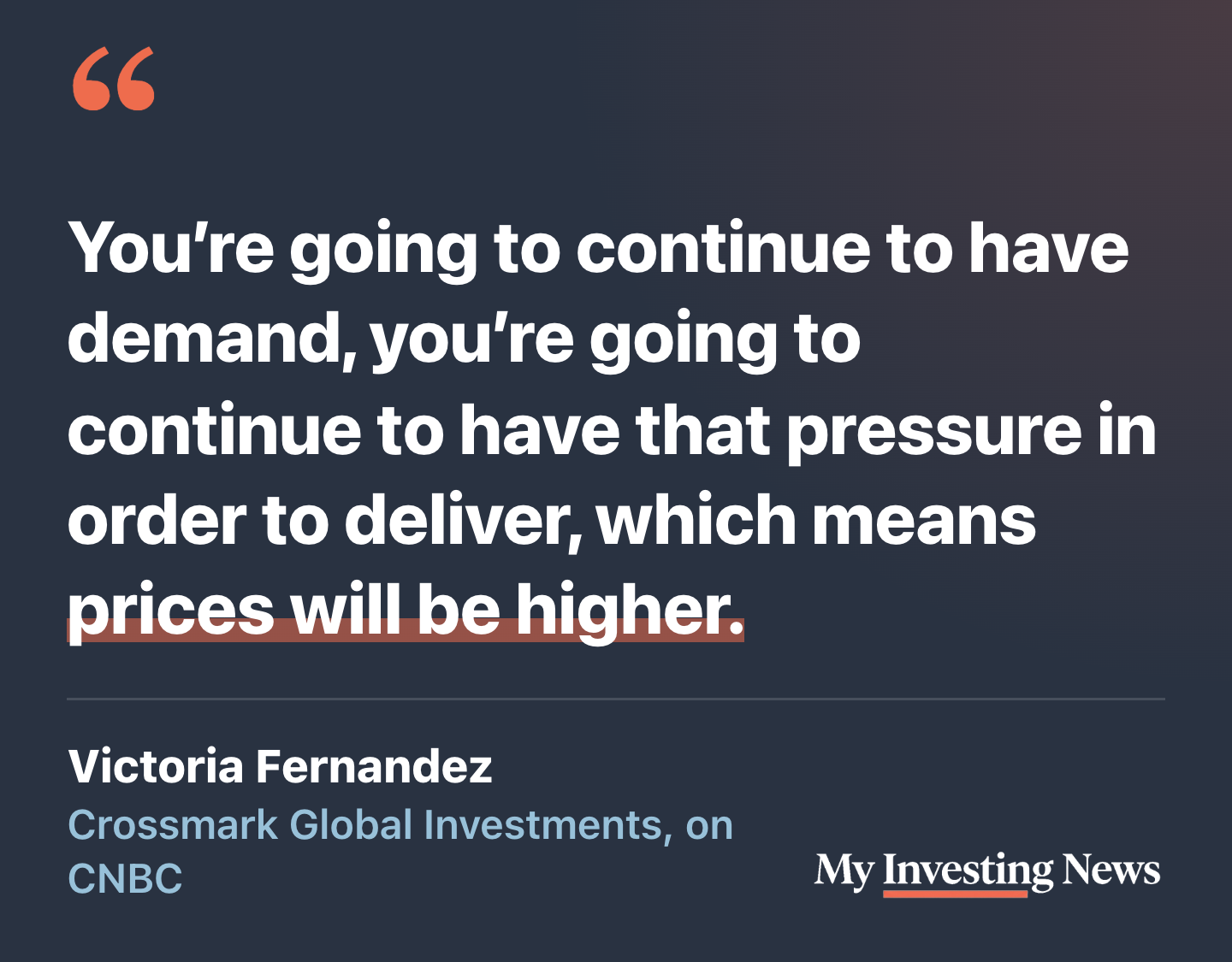
Crossmark Global Investments chief market strategist Victoria Fernandez told CNBC on Wednesday that semiconductor pullbacks are buying opportunities. She pointed to ASMLASML, the Dutch maker of chipmaking lithography systems. She said it cannot produce enough to meet demand, with companies placing orders out to 2030. In her words, that means “you’re going to continue to have demand, you’re going to continue to have that pressure in order to deliver, which means prices will be higher,” which “should be supportive of these companies longer term.” She told investors to find the areas and stocks with those characteristics, which could be a good place to add to a portfolio.

She also named three examples herself: Micron TechnologyMU, NVIDIANVDA and AMDAMD.
ASML’s Quarter Was More Complicated Than the Headlines
According to CNBC, ASML is getting order interest through 2030 as profit smashed expectations. Reuters reported that the strong orders eased fears the AI spending boom is running out of steam. Euronews reported record sales alongside a warning that ASML cannot keep up with AI demand. Startup Fortune reported the company raised its 2026 sales outlook for a third time this year.
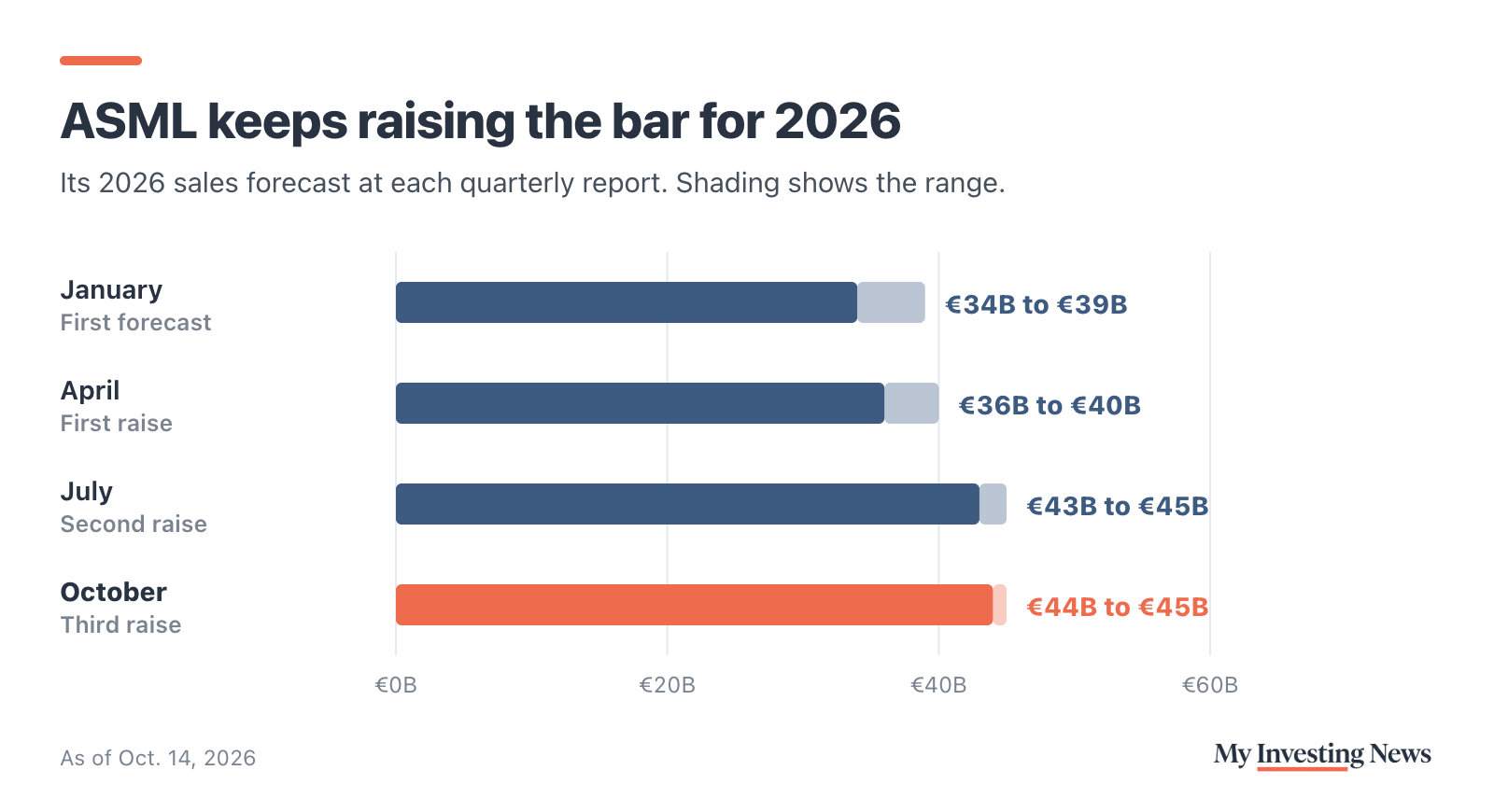
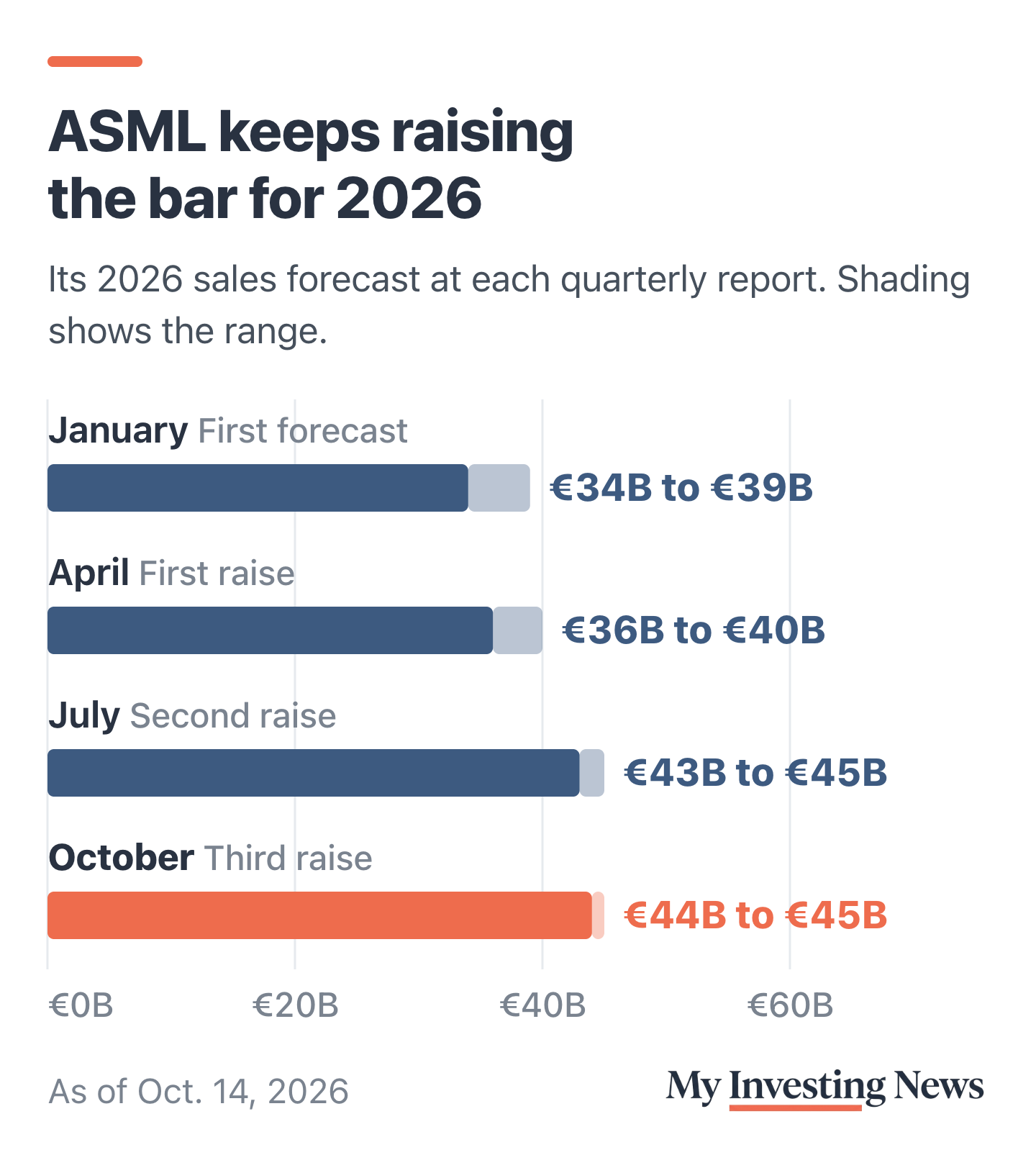
Revenue missed expectations. XTB reported that ASML disappointed on revenue but delivered stronger profits and raised guidance. Futu reported revenue missed expectations while net profit of 4.96 billion euros far exceeded forecasts, and said ASML is evaluating capacity expansion.
The two horizons in the coverage measure different things. ASML’s earnings release filed with the SEC says its supply as currently planned for 2027 and 2028 “will not fully meet the demand of our customers,” which is the 2028 timeline Tech Insider reported. The 2030 date is about orders. CNBC’s phrasing is order interest, while Fernandez described companies placing orders. The release says “some customers are expressing an interest in placing orders with us for 2029 and even 2030.” On the call, CFO Roger Dassen said ASML is assessing total customer demand before accepting those orders.
All Four Stocks Fell on Oct. 14 and Over the Week
Bloomberg reported that ASML rose, and Yahoo Finance reported that ASML shares climbed on a raised 2026 outlook. Both headlines ran before the U.S. market opened. In the regular session, the shares closed 3.9% lower at $1,650.00, reversing that early move.
One-week change through the Oct. 14 close
All four stocks closed lower on Oct. 14 and are down over the past week. Two of them, Micron and AMD, have fallen by double digits over the week.
Longer Horizons Cut the Other Way
Over longer periods, these four have posted gains. Including dividends, Micron returned 389.2% over the year to the Oct. 14 close, AMD 161.7%, ASML 68.9% and NVIDIA 23.2%, against 17.5% for the S&P 500. Fernandez frames a pullback inside that run as an opportunity, and a single session is a small piece of a multi-year record.
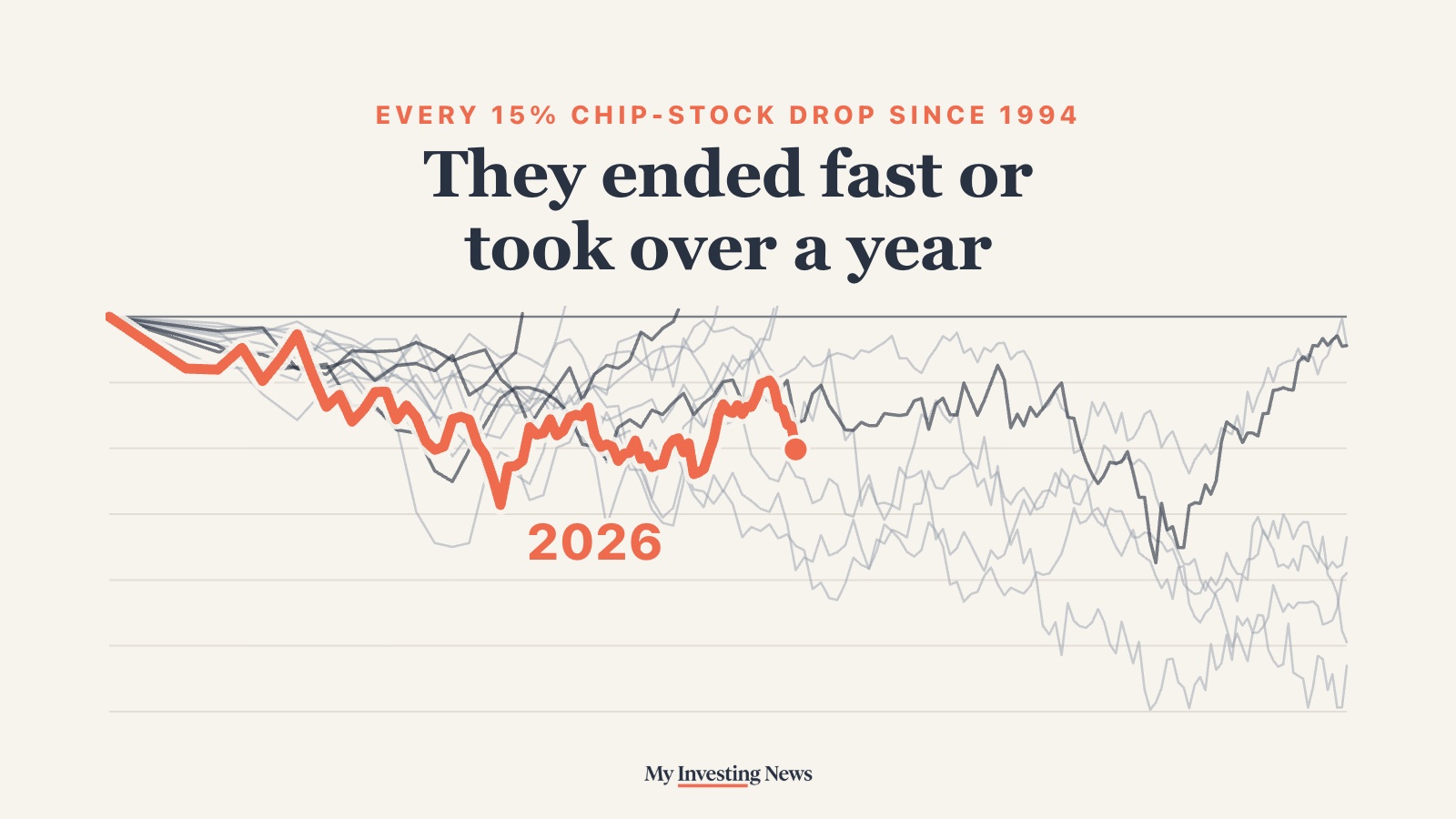
The group as a whole is deeper in its slide than this week’s moves suggest. The PHLX Semiconductor index closed Oct. 14 at 11,684, 20.2% below its June 22 record, after falling as much as 28.6% by July 29. Since the index began in 1994, it had fallen 15% or more from a record 12 times before. Six of those slides were over within four months, and the other six took more than a year to get back to the old high.
Half of chip stocks’ big drops since 1994 were over within four months. The rest took more than a year.
Every decline of 15% or more from a record close in the PHLX Semiconductor index since 1994, drawn from the record until the index got back to it. Seven of the 12 fell 20% or more. The three since 2024 are dark. This one is coral.
Micron expects supply and demand conditions to be “much tighter” in 2027 and 2028, matching ASML’s own 2027 and 2028 supply warning. NVIDIA called its outlook for roughly 70% fiscal 2028 revenue growth supply-constrained, which lines up with the same timeline. AMD said Helios demand is “tracking ahead of our initial forecasts.”
Two days earlier, a JPMorgan strategist estimated about 150% earnings growth for semiconductors this quarter and called the group still cheap. Lance Roberts went the other way, trimming AMD after its triple-digit run.
Panelists Split Sharply on Inflation and the Fed Path
Fundstrat Global Advisors economic strategist Hardika Singh said the demand got baked into the price over recent months and expects downstream names to keep outperforming toward year end. That explanation assumes a muted reaction in the stock. ASML’s shares fell both on the day and over the week.
Wolfe Research chief economist Stephanie Roth said computers have risen about 20% year over year and projected that inflation would slow, with CPI close to 0.2%. The government’s consumer price index for computers, peripherals and smart home assistants was up 8.4% from a year earlier in August, the latest reading before she spoke, according to the Bureau of Labor Statistics. The September CPI report, released later that morning, showed consumer prices up 0.6% for the month and 3.7% from a year earlier.
Fernandez said she does not see inflation coming back down and expects it to remain a drag. She forecast that the Fed will hold in October and raise rates in December.
Key Claims Investors Should Verify Before Acting
Fernandez’s claims about pricing power and margins are her own forecast and have not been verified. Two other points can be checked. ASML describes 2029 and 2030 as customer interest in placing orders, not booked orders, and the government’s computer price index rose less than the 20% cited on the panel.
Order Book Strength and Falling Shares Are Both Real
ASML’s order book is real, and the stocks are falling. Each fact stands on its own. A supply shortage that runs years out can exist alongside a bad week for semiconductor shares.
Fernandez sees this week’s chip slide as a chance to add strong names that are still in long uptrends, and she points to ASML’s warning that its supply will fall short of demand through 2028. The risk is that the 2029 and 2030 dates are customer interest rather than signed orders, and Micron, the biggest winner of the past year, also fell the most this week.