Where we heard itCNBC’s Halftime Report, “More Tech Trouble Ahead?”, Nov. 6, 2026. Panelist Malcolm Ethridge on why he trimmed his Nvidia position ahead of its Nov. 17 earnings report.
Malcolm Ethridge has now sold some of his NVDA Nvidia three times this year. On CNBC’s Halftime Report on Nov. 6, he said the latest trim came partly from AMD AMD’s results, which showed a rival that could “nibble at their market share.” The other part was how investors have greeted Nvidia’s own numbers. He said he was selling ahead of the Nov. 17 report “just in case the market decides once again that it doesn’t like what it hears from Nvidia post earnings.”
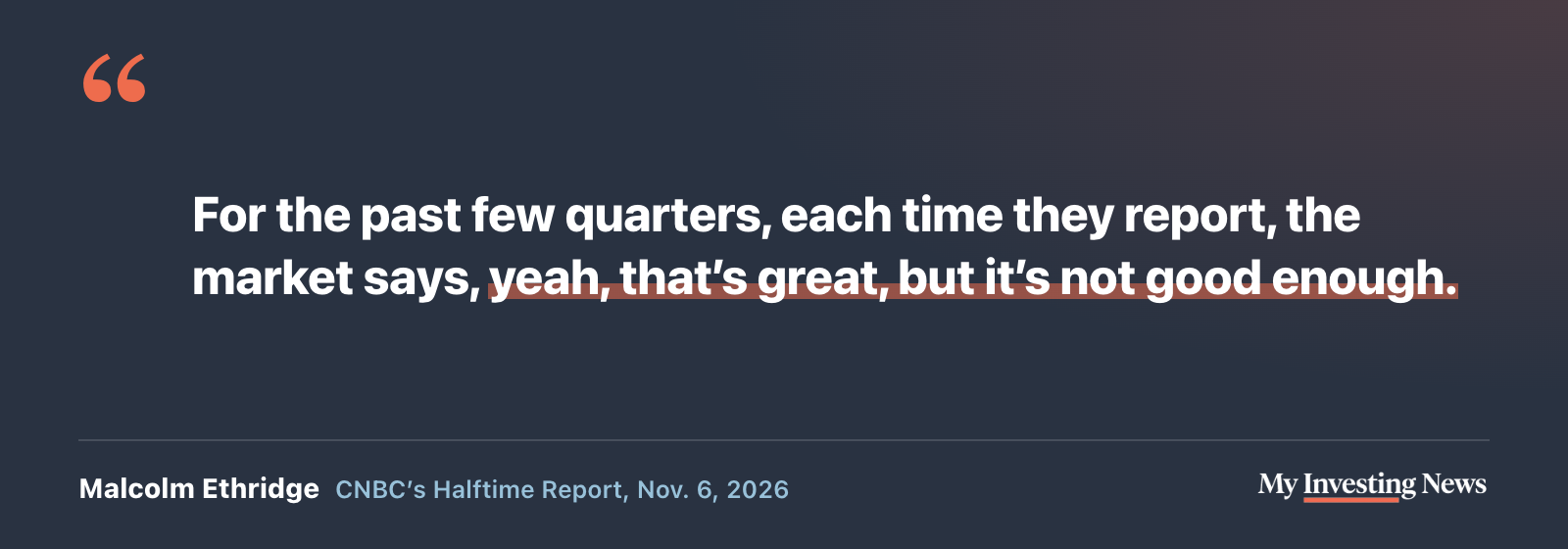
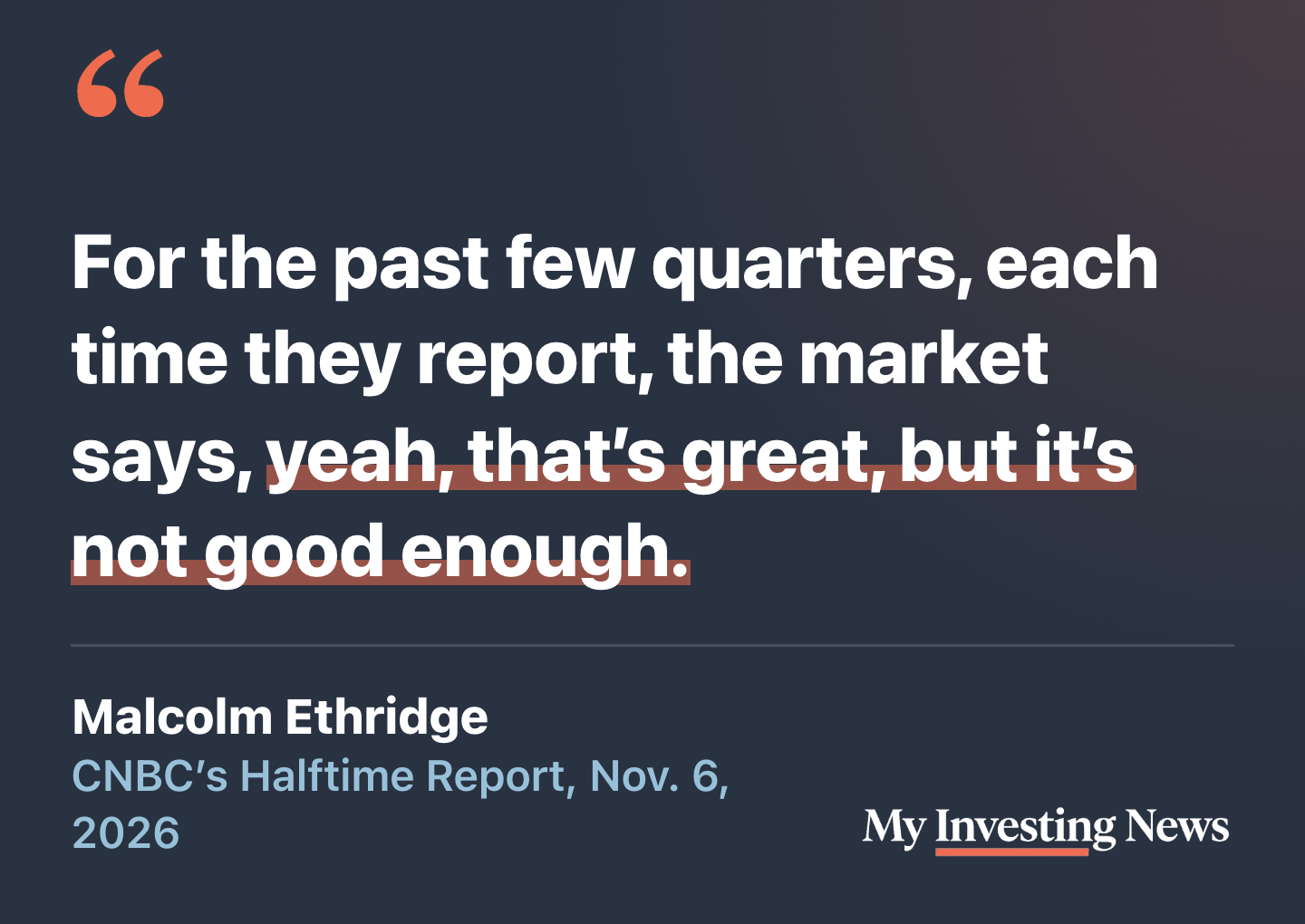
He called it risk management “for anybody like me who’s gotten over their skis in Nvidia,” and said the position “keeps on growing back like a weed.” Ethridge’s claim is a checkable one: a run of reports that beat expectations and still sent the stock lower. We went back through every Nvidia report since 2016 to see how often that has happened, and whether it is still happening.
Checking the Record
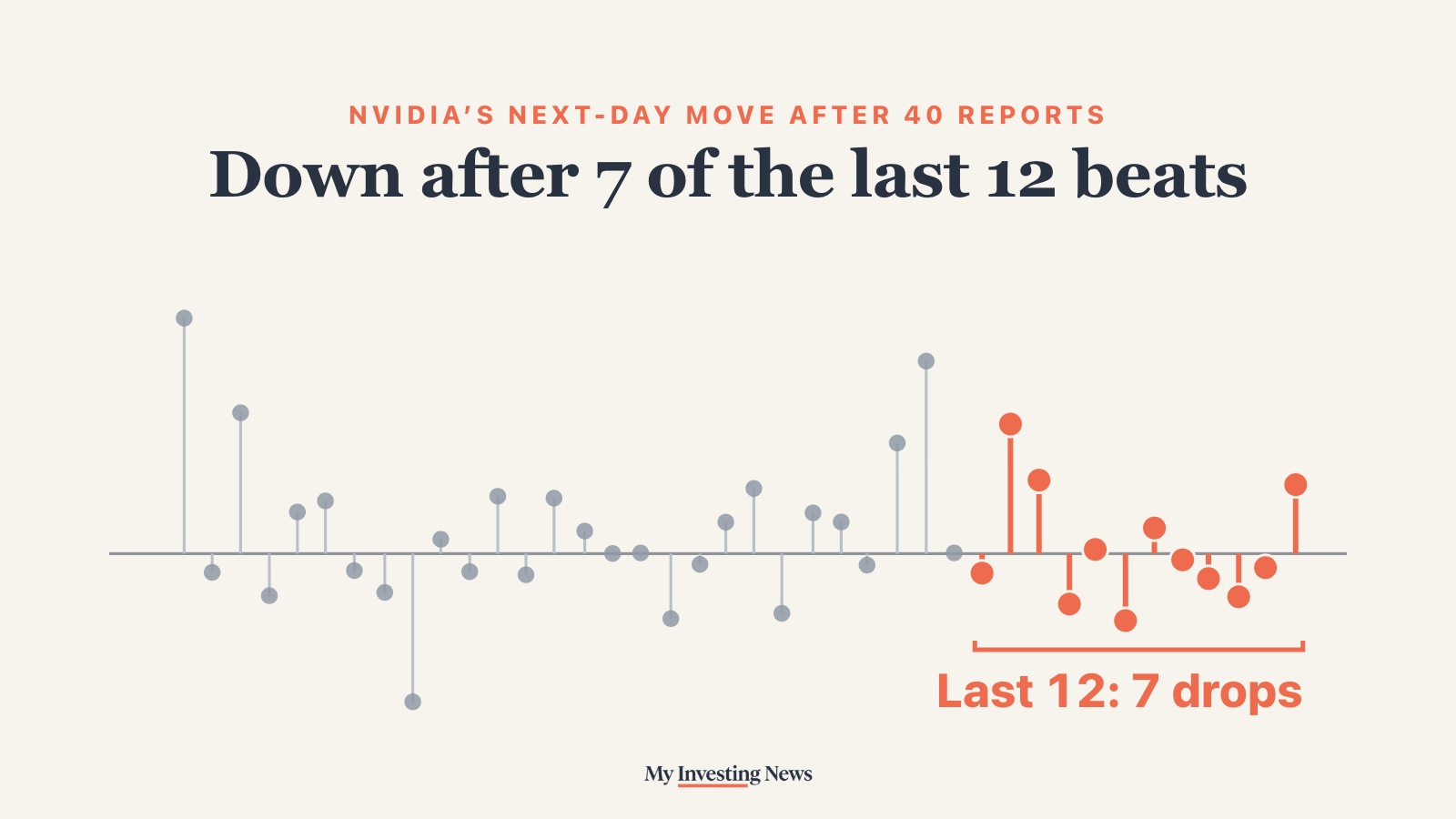
Nvidia has filed 40 quarterly results releases with the SEC since November 2016, every one after the market closed, so the next trading day shows the reaction. In the last 12, from November 2023 to August 2026, the company beat Wall Street’s average earnings-per-share estimate every time, according to Alpha Vantage’s tally. The stock fell the next day after 7 of them. In the 28 reports before that, it fell after 11.
The stretch Ethridge described is real. Shares fell after four reports in a row, from August 2025 to May 2026: 0.8%, 3.1%, 5.5% and 1.8%. That is the longest losing run in the 40 reports. But the run has already ended. After the Aug. 26 release, the stock jumped 8.7% on Aug. 27, its biggest post-report gain since May 2024, and it was still up 7.0% five trading days later.
Nvidia fell the day after 7 of its last 12 reports, every one an earnings beat
Next-day move in Nvidia shares after each of its 40 quarterly results releases since November 2016. Coral: the last 12, from November 2023 to August 2026.
Measured over a week, Ethridge’s point looks stronger. Five trading days after each of the last 12 reports, the stock was lower 8 times. That includes November 2024, when a small gain the next day turned into a 7.2% loss by the end of the week.
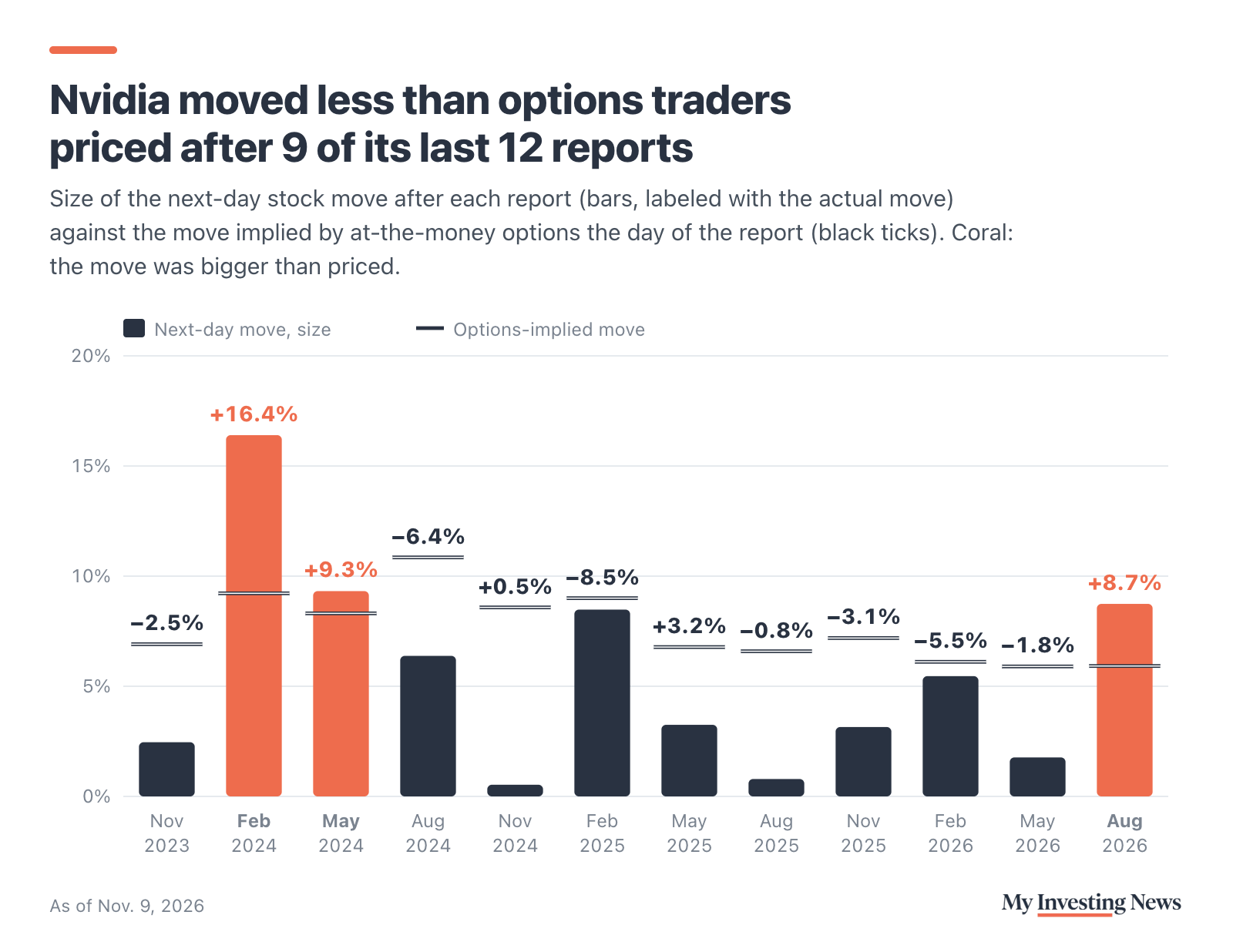
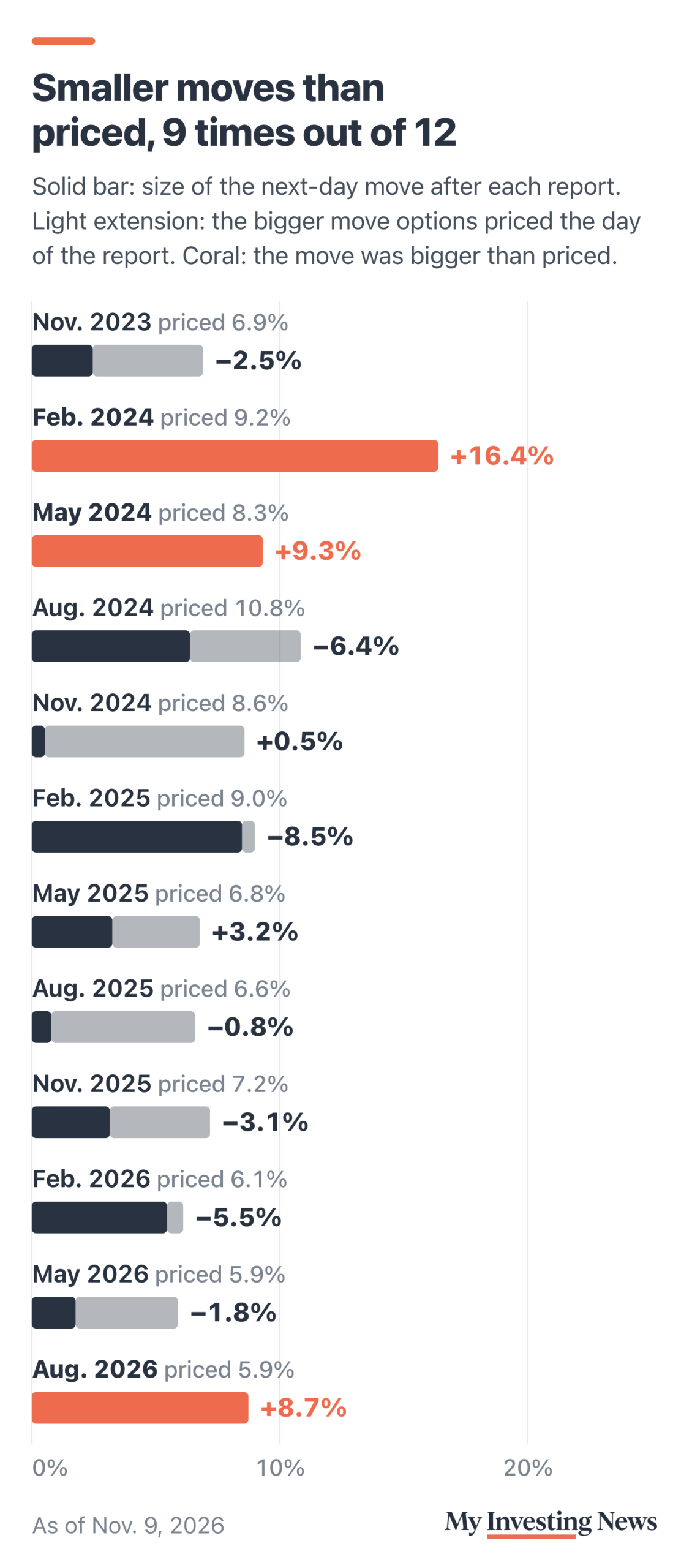
Nvidia’s last 12 reports, as of the Nov. 9, 2026 close
Smaller Beats, Smaller Swings
The beats have shrunk. Nvidia topped the per-share estimate by 19.6% in November 2023. Over the last six reports, the margin averaged 5.4%, about half the 10.3% average of the six before. A company that once cleared the bar by a wide margin now clears it by a modest one, which leaves less room for a big upside surprise.
Options traders noticed. On each report day, we priced the at-the-money straddle (a call and a put that pay off on a big move in either direction) expiring that week. Those options priced a move of 8.8% on average for the first six reports and 6.4% for the last six, down to 5.9% in August. The stock moved less than priced after 9 of the 12 reports. The exceptions were two big gains in 2024 and August’s jump. The four straight drops that fit Ethridge’s description ranged from less than 1% to 5.5%, each inside the move options had priced: more of a shrug than a rout.
Where Nvidia Stands Before Nov. 17
The setup for this report is rougher than August’s. Nvidia closed at $178.67 on Nov. 9, 25.3% below its record close of $239.24 on Oct. 6 and 14.8% below where it stood before the August report. It fell 9.3% on Nov. 5, the day the S&P 500 dropped 4.4%, and 4.3% on Nov. 9 as an independent investigation into CEO Jensen Huang got underway. Doug Clinton has called the AI selloff a routine drawdown, and Josh Brown has argued Nvidia’s valuation looks more like an anti-bubble. Not everyone on the Nov. 6 panel was selling, either. Kevin Simpson said he was holding his shares and was not sure the stock would have “the same problems post earnings” it had in recent quarters.
What to Watch
Nvidia reports its fiscal third quarter after the close on Nov. 17, so Nov. 18 is the day that scores this round. Two things will show whether Ethridge’s pattern is back. The first is the move options price going in: it fell to about 6% before each of the last two reports, and a much higher number would mean traders expect a bigger reaction this time. The second is the size of the beat. The margin has narrowed for two years, and a beat that still lands lower would make it five drops in six reports. Steve Eisman has pointed out that 70% of Nvidia’s receivables come from five customers, so comments on those buyers’ spending plans may matter as much as the quarter itself.
Ethridge is right that Nvidia has kept beating estimates while its stock slipped: 7 of the last 12 reports brought a next-day drop, including four in a row, the longest run since at least 2016. August broke that streak with an 8.7% jump, and the drops have mostly been smaller than options priced. The risk on Nov. 17 is a shrinking beat meeting a stock already 25% off its high.